For your convenience, you can use the table of contents.
What Is Yogurt?
A Little History
Fermented dairy products are believed to have first appeared around 10,000 BC. As with many inventions, the discovery was accidental: milk was simply left in an open container on a warm day. It proved useful because properly fermented milk could be stored longer than fresh milk. By the 11th century AD, yogurt had become part of Turkish culture. The word “yogurt” comes from Turkish and means “curdled” or “thick.”
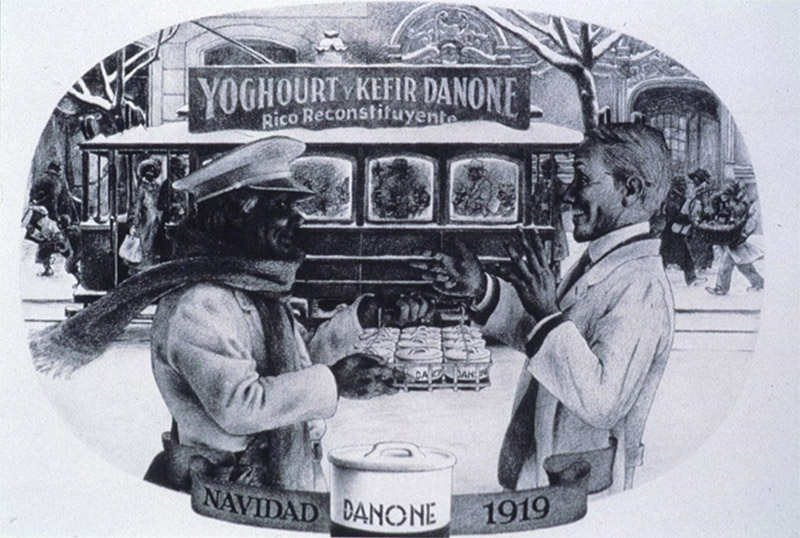
Much later, in the early 20th century, Bulgarian scientist Stamen Grigorov isolated a type of bacterium involved in making yogurt and named it Bacillus bulgaricus after his homeland. Around the same time, Nobel laureate Ilya Ilyich Mechnikov, a pioneer of immunology, studied yogurt and believed its bacteria were a key to health and longevity. Building on this interest, Isaac Carasso founded Danone in 1919 and established the first industrial production of yogurt.
As microbiology, bacterial culture selection, and the food industry developed, yogurt gradually became a popular food around the world.
Yogurt Today
Today, yogurt is a fermented dairy product made by fermenting milk with cultures of lactic acid bacteria. The combination of bacteria that turns milk into yogurt is called a starter culture. Modern yogurt starter cultures contain several types of bacteria, including Streptococcus thermophilus and Lactobacillus bulgaricus. Other bacteria, such as bifidobacteria and Lactobacillus acidophilus, may also be added.
Depending on applicable regulations, yogurt may contain flavorings, fruit pieces, sugar, thickeners, and stabilizers. This allows the food industry to offer a wide variety of yogurts for different tastes. It also makes many modern industrial yogurts quite different from a simple fermented milk product. Perhaps that is why making yogurt at home is becoming increasingly popular.

Types of Yogurt.
Types of Yogurt by Milk Source
Yogurt can be made from the milk of almost any animal. A yogurt-like product can also be made by fermenting plant-based milk alternatives. Yogurt can therefore be:


Types of Yogurt by Fat Content
Milk fat content can be adjusted over a wide range. Like milk, yogurt is produced with different fat contents:




The calorie content of yogurt depends largely on its fat content. However, fat-free yogurt often contains added sugar, so it can have as many calories as unsweetened full-fat yogurt.
Drinkable and Spoonable Yogurt
Yogurts can be divided into two categories according to their thickness and consistency:
“Live” and “Non-Live” Yogurts
Traditional yogurt is a live product containing active lactic acid bacteria. However, manufacturers sometimes heat-treat or pasteurize yogurt by warming it to a certain temperature for a set time. This can greatly extend its shelf life, sometimes to several months or a year, and may allow it to be stored outside the refrigerator. Pasteurization kills the yogurt cultures. Such products often contain stabilizers and, as a rule, sugar, coloring agents, and flavorings.
Regular and Probiotic Yogurts
Basic yogurt contains only the bacteria needed to ferment milk. These are generally Lactobacillus bulgaricus (Lactobacillus delbrueckii ssp. Bulgaricus) and Streptococcus thermophilus (Streptococcus thermophilus).
Regular yogurt can be part of a healthy diet. It can also be enriched with probiotic bacterial strains that may offer additional benefits. For example, some bacteria may support immunity, digestion, and metabolism.
Probiotic yogurts can be either store-bought or homemade. Store-bought probiotic yogurts usually cost considerably more than regular ones. Homemade probiotic yogurts are made with starter cultures containing a specially selected combination of bacterial strains.
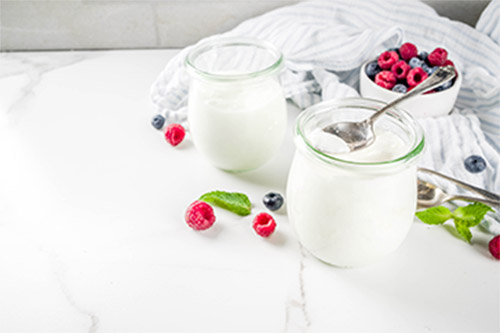
Store-Bought and Homemade Yogurts
Making yogurt and other fermented dairy products at home is becoming increasingly popular. For example, in Turkey, a country with very high yogurt consumption per person, homemade yogurt reportedly accounts for up to 80% of all yogurt consumed. The proportion is much lower in our country, of course, but the number of people making their own fermented dairy products grows each year.
More and more people make yogurt at home because they consider it more natural, fresher, tastier, and healthier. Modern starter cultures and kitchen appliances such as yogurt makers make the process quick and easy.
Nutritional Value of Yogurt
Protein, Fat, and Carbohydrates in Yogurt. Calories in Yogurt.
The nutritional value of yogurt can vary considerably depending on its type, fat content, and whether it contains sugar, fruit pieces, stabilizers, or other ingredients.
Unsweetened drinkable yogurt: nutritional value:
| yogurt fat content | 0–0.5% | 1% | 1.5% | 2.5% | 3.2% |
| protein | 3.2 | 3.1 | 3 | 2.9 | 2.8 |
| fat | 0–0.5 | 1 | 1.5 | 2.5 | 3.2 |
| carbohydrates | 4.2 | 4.1 | 4 | 3.9 | 3.8 |
| kcal (kJ) | 33 (137) | 39 (163) | 43 (179) | 51 (214) | 57 (238) |
Sweetened drinkable yogurt.
The amounts of protein and fat in sweetened drinkable yogurt are almost the same as in unsweetened yogurt with the same fat content (see the table above). It contains about 12 grams more carbohydrates. Sweetened yogurt has approximately 49 kcal (205 kJ) more per 100 grams of product. Adding sugar also raises yogurt’s glycemic index, meaning blood glucose rises faster after eating it.
Fruit pieces and stabilizers.
Fruit pieces and stabilizers, such as modified starch, also affect yogurt’s nutritional value. The extent of the effect depends on the specific ingredients and how much of each is used.
Nutritional value of Greek yogurt.
Greek yogurt is essentially concentrated yogurt. It contains less water (whey), meaning more nutrients and calories per 100 grams. There is no need to be concerned about this, as Greek yogurt is generally eaten in smaller portions and can help you feel full sooner. Like regular yogurt, Greek yogurt can be fat-free or full-fat, ranging from 0% to 6.5% fat. Sometimes extra cream is added during production, increasing the fat content to as much as 12%. Its nutrient and calorie content can be up to twice that of regular drinkable yogurt.
Protein in Yogurt
Casein is the main protein in milk, accounting for about 80% of its protein. The remaining 20% is whey protein. Milk proteins change somewhat during yogurt production. As a result, yogurt protein may be easier to digest than milk protein. Therefore, some people with a milk protein allergy may be able to consume fermented dairy products without problems.
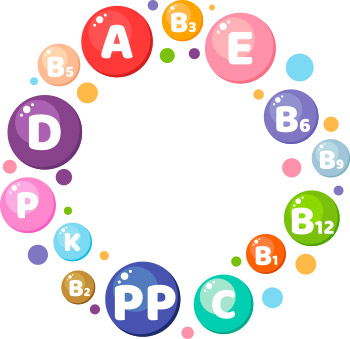
Vitamins and Minerals in Yogurt
Yogurt and other fermented dairy products contain naturally occurring vitamins:
- vitamin A
- vitamins B1, B2, B3, B5, B6, and B12
- vitamin C
The lactic acid bacteria found in yogurt also contribute to the production of vitamin B9, known as folic acid, in the intestines.
Yogurt contains minerals and nutrients including phosphorus, selenium, calcium, potassium, magnesium, zinc, and choline. Calcium together with vitamin D helps support bones and muscles and may help prevent osteoporosis. Yogurt also contains a protein called lactoferrin, which participates in the functioning of the human immune system.
Benefits of Yogurt
Benefits of Regular Yogurt
Alongside its nutritional value, yogurt may offer health benefits:

The intestinal microbiota has many important roles, including supporting the gut barrier, digestion, vitamin production, and immunity. Yogurt helps maintain a healthy microbiota.

Eating yogurt may help regulate digestion and prevent intestinal problems. Lactic acid bacteria and lactic acid can support digestive processes and inhibit some harmful microbes, including Helicobacter pylori, a bacterium associated with stomach ulcers.

Yogurt contains lactoferrin, a protein involved in immune processes. It also helps maintain the intestinal microbiota, which plays a role in immune function.
Benefits of Probiotic Yogurts
Regular yogurt contains two main types of bacteria: Lactobacillus bulgaricus and Streptococcus thermophilus. Adding specific probiotic strains may provide additional benefits.
A combination of four bacterial strains (L. Acidophilus (NCFM®), L. Paracasei (Lpc-37), B. Lactis (Bi-07), B. Lactis (Bl-04)) has shown effectiveness in clinical trials.
Reported findings from clinical studies:
- Helps support overall intestinal health
- Helps maintain a healthy balance of intestinal microflora
-
Helps minimize intestinal symptoms associated with antibiotic use:
• Significantly reduces cases of diarrhea (by 50%)
• Significantly reduces the duration of diarrhea (by 52%)
• Significantly reduces symptoms such as abdominal cramps and bloating.
Specific bacterial strains (B.lactis (Bi-07), B.lactis (Bl-04), L. acidophilus (NCFM®)) have been studied in clinical trials for their effects on immunity in children and adults.
The study results suggest that these bacteria may help reduce the occurrence of colds.
In adults:
- A 27% lower risk of upper respiratory tract illness compared with placebo
- Colds occurred later, on average, in the group taking the bacteria than in the placebo group
In children:
- Support for respiratory health, reflected in a reduction in symptom duration from 6.5 to 3.5 days
- Fewer occurrences of cold symptoms
- Significantly fewer antibiotic prescriptions
- Fewer days of illness
What Determines Yogurt Quality?
What distinguishes high-quality yogurt from lower-quality yogurt? Let’s examine its characteristics one by one.
How thick yogurt is made.
According to the article, ordinary milk, regardless of its fat content, produces only drinkable yogurt in an industrial setting. Several methods can be used to make thick, spoonable yogurt:
- Add milk solids
- Use a stabilizer
- Strain the finished yogurt
Increasing the amount of milk solids.
For yogurt to become thick, it needs more milk solids—proteins, fats, and carbohydrates—than ordinary milk contains. Dairy manufacturers may therefore add powdered milk or dried milk proteins. However, drying milk or isolating its proteins can change their structure and affect the finished yogurt’s flavor. Sometimes you can detect this in the taste, unless a large amount of flavoring and sugar has been added.
Adding a stabilizer.
Yogurt can be thickened by binding its excess liquid. To do this, dairy manufacturers use stabilizers such as modified starch or guar gum. Some stabilizers may cause individual sensitivities or side effects. Whether this yogurt should be considered high quality is debatable.
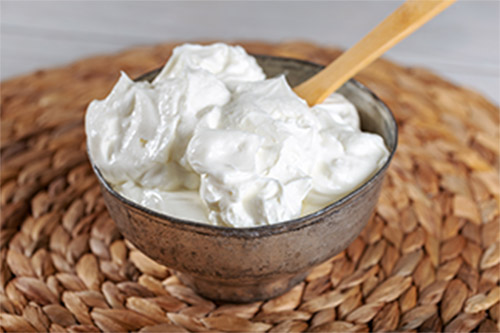
Straining yogurt.
After yogurt is made, it can be strained to remove excess liquid (whey). Yogurt prepared this way is called “Greek yogurt.” It requires more milk to make, so Greek yogurt is usually more expensive. Sometimes straining is combined with adding powdered milk, dried milk proteins, or stabilizers. Strained Greek yogurt without added milk powder, dried proteins, or thickeners is an example of a high-quality thick yogurt.
Why homemade yogurt can be thick without stabilizers or thickeners.
Yogurt made at home with high-quality milk can turn out thick because its set structure remains undisturbed. To make homemade yogurt as thick as possible, prepare it in small containers (150–250 ml) made from rigid materials such as glass or hard plastic. Shaking it or stirring it with a spoon will quickly make it more pourable. That is why industrially produced yogurt without additional thickening measures is often drinkable: filling, transporting, or storing it can disturb its set structure. To keep industrial yogurt thick, manufacturers may add stabilizers, dried milk proteins, or powdered milk.
You can also make homemade yogurt thicker by straining it after fermentation. Use a special straining container, a fine metal sieve, or a colander lined with cloth. The result will be thick homemade Greek yogurt.

Flavorings
Most brands offer yogurt with various flavorings, fruit pieces, grains, and other additions. Even yogurt containing real fruit pieces may also contain flavorings. Besides adding flavor, these can mask the taste of powdered milk, dried proteins, or stabilizers. To judge the quality and natural flavor of a brand’s yogurt, try its plain, unsweetened version. If you notice an unusual taste, the product may contain ingredients added for thickening. Flavored versions may contain even more of these ingredients, with their taste masked by flavorings. Because flavorings can cause allergies or other adverse effects in some people, such yogurt may be considered lower quality.
Sugar
Flavorings do not necessarily taste like the fruits they imitate without sweetness. Manufacturers therefore add sugar, either directly or in jam, syrup, and similar ingredients. The amount can reach 12 grams per 100 ml of product, and even more in yogurt desserts. A 250-gram cup of yogurt may therefore contain six tablespoons of sugar or more. Excessive sugar consumption can harm health, particularly for people with diabetes, and may contribute to obesity and cardiovascular or endocrine problems.
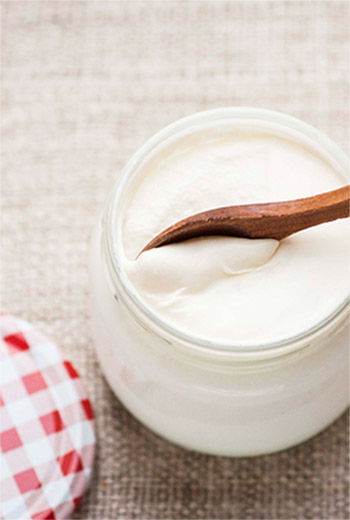
What High-Quality Yogurt Should Be Like
High-quality yogurt should be fresh, contain live cultures, and be made from simple ingredients. It can be thick because of the milk used and because its original set structure has been preserved. Strained Greek yogurt without additives is another good option for thick yogurt. Drinkable yogurt is easier to produce and may therefore contain fewer added ingredients than spoonable varieties. Even if you prefer flavored yogurt, try the plain version from the same brand: high-quality yogurt should have a clean, pleasantly fermented dairy flavor.
If high-quality yogurt contains additions, they should ideally be natural fruit, berries, or nuts rather than refined sugar and flavorings.
To be certain of yogurt’s freshness and ingredients, more people are choosing to make it at home.
Why Can Sugar in Yogurt Be a Problem?
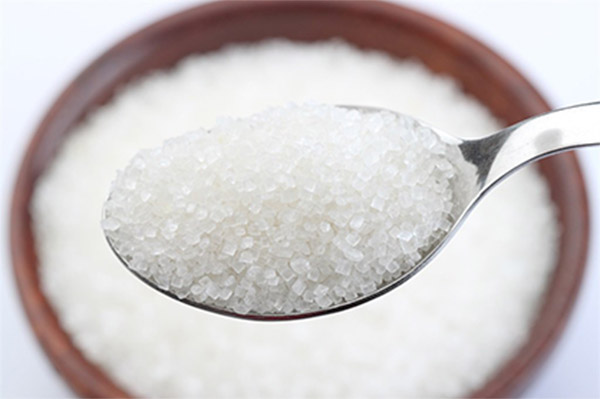
Too much added sugar can reduce yogurt’s nutritional value. According to the article, a cup of sweetened yogurt contains an average of six tablespoons of sugar, which is a considerable amount.
Weight Gain and Obesity
Eating sugar and sugary foods can cause blood glucose to rise quickly. The body responds by releasing insulin, which helps move glucose into cells. Excess energy may be stored as body fat. Blood glucose may then fall, leaving a person feeling hungry or tired and prompting them to eat again. This cycle can repeat.
Metabolic Syndrome
Numerous studies associate excessive consumption of added sugar and refined fructose with a higher risk of type 2 diabetes and metabolic syndrome, a group of conditions associated with cardiovascular problems, obesity, and insulin resistance.
Reduced Productivity
After a sugary snack, blood glucose may rise for a short time and then fall. This can leave some people feeling tired and less able to focus on physical or mental tasks. Hunger may make it harder to concentrate.
Motivation, Dopamine, and Sugar
Food was scarce for much of human history. The brain’s reward system responds to highly palatable foods, including those rich in sugar, partly through dopamine signaling. Dopamine is involved in reward and motivation. The article argues that frequent stimulation of this system may reduce sensitivity to dopamine and contribute to low motivation or mood.
Glycemic Index
Excessive sugar consumption may be harmful for people with diabetes and for those aiming to manage their weight. Other foods can also cause a rapid rise in blood glucose. Glycemic index tables can help identify such foods. The article generally recommends choosing foods with a glycemic index of 65 or less and limiting refined products.
Glycemic Index of Yogurt
The glycemic index (GI) is a scale showing how quickly a food raises blood glucose. Pure glucose is used as the reference and has a GI of 100. To determine the GI of other foods, volunteers consume a serving containing the same amount of carbohydrate as the reference serving, and researchers compare their blood glucose responses.
Foods with a High Glycemic Index
can raise blood glucose quickly and trigger a larger insulin response. The article explains that this can contribute to fat storage and leave a person feeling hungry again soon afterward.
Foods with a Low Glycemic Index
release glucose into the bloodstream more gradually and over a longer period. This may help provide a steadier supply of energy for physical and mental tasks and other bodily functions.
To manage body weight and maintain energy throughout the day, the article recommends choosing foods with a low or moderate glycemic index, no higher than 65. For weight loss, it suggests that most foods in the diet have a GI of no more than 50.
The Glycemic Index of Plain Yogurt,
without sugar, flavorings, or thickeners, varies by fat content from 15 to 35, placing it in the low-GI category.
Fruit fillings, thickeners, and sugar may raise yogurt’s GI considerably, potentially to 60, near the boundary between medium and high.
Some dessert yogurts may have an even higher GI, reaching 85.
Why Make Yogurt at Home?

More and more people are deciding to make yogurt at home.
There are several reasons:
-
guaranteed freshness
Store-bought yogurt travels a long way before reaching your refrigerator. It spends at least several hours in transit and several days in storage. Homemade yogurt is fresh because you made it yourself. -
no unnecessary additives
Homemade yogurt need not contain thickeners, stabilizers, flavorings, coloring agents, or preservatives: just milk and the bacteria in the starter culture. -
No added sugar
You can choose not to add refined sugar. Instead, add fruit, berries, nuts, or granola. If you like sweet yogurt, you could add honey. -
A live product with beneficial bacteria
Homemade yogurt contains live cultures. Beneficial bacteria turn milk into yogurt in your kitchen. The number of bacteria in homemade yogurt can be higher than in store-bought yogurt. -
Potential health benefits
Special probiotic strains in VIVO starter cultures can give homemade yogurt additional properties. The article highlights:
• support for digestion
• support for balanced intestinal microflora
• support for immunity -
It is simple
Making yogurt at home is also straightforward.
How Is Yogurt Made?
To make yogurt, first reduce unwanted bacteria in the milk. Then add a starter culture containing bacteria that ferment the milk and turn it into yogurt. The bacteria need a suitable temperature, so the milk is kept warm (37–43°C) for 6–9 hours. Afterward, the yogurt is chilled to slow fermentation.
How Yogurt Is Made in a Dairy Factory

Industrial yogurt production includes the following stages:
The milk is heat-treated to reduce unwanted bacteria.
Special centrifuges called separators separate milk fat from the milk, producing skimmed milk and cream. By blending whole milk, skimmed milk, and cream, manufacturers can obtain the desired fat content.
Cream tends to rise to the surface of milk. Homogenization distributes milk fat evenly throughout the liquid so it no longer separates on top.
Natural milk may not contain enough solids to produce a thick yogurt. Manufacturers may add powdered milk or dried milk proteins. More advanced facilities may use ultrafiltration instead.
The milk is transferred to a fermentation tank and heated to the desired temperature (37–43°C). The bacterial starter culture is added.
The milk is kept at a constant temperature for 6–9 hours.
Ingredients such as stabilizers, flavorings, fruit pieces, and sugar may be added.
The finished yogurt is cooled to slow fermentation. It is then pumped to a packaging area, packed for consumers, and moved to refrigerated storage.
How Yogurt Is Made at Home
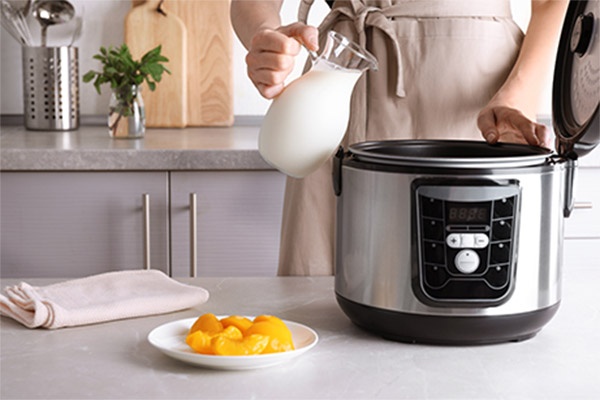
Making yogurt at home begins with choosing the milk:
- ultra-pasteurized milk
- pasteurized milk
- homemade or farm milk.
- Homemade or farm milk should be boiled before being used to make yogurt. Then cool it to 40°C.
- Ultra-pasteurized and pasteurized milk only need to be heated to 40°C; they do not need to be boiled.
Add the starter culture to the warm milk. Leave it to ferment in a warm place for 8 hours.
Once the yogurt thickens, chill it. Your yogurt is ready.
Ways to Make Yogurt at Home

Making Yogurt in a Saucepan
This method requires no special equipment: just a saucepan, stove, spoon, and large towel. Heat the milk in the saucepan, boiling homemade milk first, then cool it to 40–43°C. You can check the temperature with a suitable thermometer. Add the starter culture and stir. Wrap the saucepan in a large towel to keep it warm. Leave it in a warm place for 8 hours. Once fermentation is complete, chill the yogurt in the refrigerator.

Making Yogurt in a Yogurt Maker or Multicooker
With a yogurt maker or a multicooker that has a yogurt setting, you do not need to maintain the milk’s temperature yourself. The main thing is not to add the starter culture to milk that is too hot, as this can kill the bacteria. The appliance will maintain the required temperature during fermentation.

Making Yogurt in the Oven
If you have an electric oven with precise temperature control, you can use it to make yogurt. Mix the starter culture with the milk and place the mixture in the oven. Set the temperature to 40°C. Ferment for 8 hours, then chill the finished yogurt.
With this method, you can make yogurt in a saucepan or directly in a milk bottle or carton.
Making Yogurt in the VIVO YOGOBOX Yogurt Maker
This is an easy way to make homemade yogurt. The yogurt maker allows you to make yogurt directly in a milk bottle or carton. Add the starter culture to the milk package, shake it, and place it in the yogurt maker.
How to Make Greek Yogurt at Home
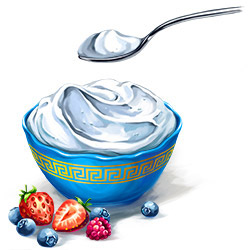
To make homemade Greek yogurt, first prepare regular yogurt using any of the methods above. Then strain it to remove excess liquid (whey). You can use:
• A fine metal flour sieve
• A regular colander lined with cloth, a filtering cloth, or filter paper
• A special yogurt-straining bag
• A special yogurt-straining container
Pour the yogurt into the strainer and leave it for 1–5 hours until it reaches the desired thickness.
How to Choose a Starter Culture
The quality of homemade yogurt depends directly on the quality of its two main ingredients: milk and starter culture. Starter cultures differ in their bacterial composition and concentration, as well as the amount of milk one portion is designed to ferment.
Find the right VIVO product for you

- Real yogurt, without
additives. - Ensures good digestion.
- Strengthens immunity.
 More details
?>
More details
?>

- Classic kefir made with your own hands.
- Improves metabolism.
- Helps eliminate excess weight.
More details
?>

- Creamy Mediterranean yogurt
- Rich fermented milk flavor
- Non-sticky consistency
More details
?>
DISCOVER MORE ABOUT VIVO PRODUCTS