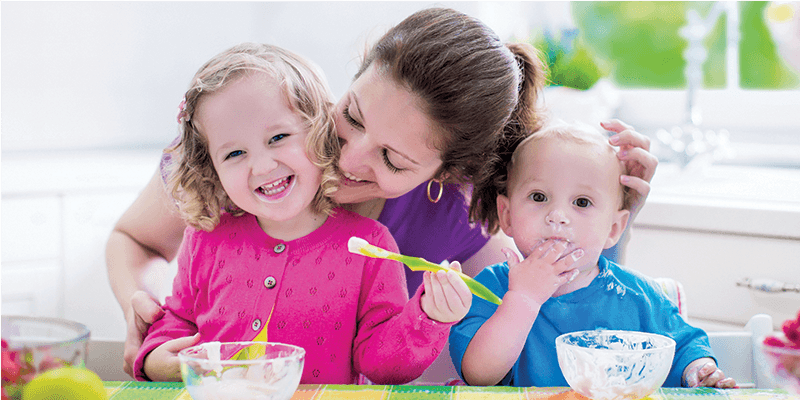
Homemade Fermented Dairy Products for Children Aged 2 and Older
According to WHO (World Health Organization) recommendations, fermented dairy products should be introduced into a child’s diet from 8 to 10 months of age. From then on, they can remain part of a child’s diet at any age.

Fermented Dairy Products for Children
Fermented dairy products are an excellent source of nutrients needed for a child’s growth and development:
- Protein, partially broken down into amino acids, provides building blocks for muscles and organs.
- Fatty acids are needed for the normal functioning of every cell in the body.
- Carbohydrates are the main source of energy. Fermented dairy products also contain much less lactose than whole milk, making them easier to tolerate.
- Minerals such as calcium, potassium, phosphorus, and magnesium support skeletal development and normal cellular function.
- Vitamin C, B vitamins, and folic acid are essential for a growing body.
The nutrients are partially broken down and present in suitable proportions, making them easy for the digestive system to absorb. They rarely cause digestive problems or allergies, except in cases of individual intolerance.
Yogurt for Children: Natural and Free from Unnecessary Additives
Avoiding harmful additives and excess sugar is especially important in children’s diets. Some additives can also cause allergic reactions and digestive problems. Finding a product without additives in a store is often difficult.
Good news: you can make real yogurt, kefir, and cottage cheese at home.
- 100% natural and always fresh;
- Contains no harmful additives such as preservatives, flavorings, or colorings;
- Contains no sugar;
- A truly live product: bacteria transform milk into yogurt right before your eyes;
Live Probiotic Yogurt
Homemade yogurts contain more beneficial bacteria than store-bought yogurts. But quantity is not the only thing that matters.
If you use a special probiotic starter culture, the yogurt will be special too. Probiotic bacteria do more than turn milk into yogurt: they also benefit the body.
The beneficial bacteria in the starter culture provide the following benefits:
- Balanced intestinal microflora. Fermented dairy products are a natural and effective way to restore the balance of intestinal microflora.
- Smooth digestion. Special probiotic bacteria help normalize digestion and prevent intestinal problems.
- Strong immunity. Some starter cultures contain a special combination of bacteria that, when consumed regularly, can almost halve the risk of colds in children.*
- Heat the milk to +37–40°C. Add the starter culture and stir.
- Wrap the saucepan in a large towel to keep the mixture warm. Leave it to ferment for 6–8 hours.
- Once it thickens, chill the yogurt. Before serving, you can add fruit, nuts, or honey.

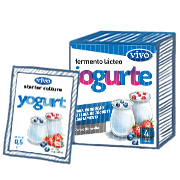
VIVO starter cultures guarantee great yogurt. Otherwise, you will receive compensation equal to twice the cost of the milk and starter culture.
To make a delicious, healthy, high-quality product, you need two things: good milk and a good starter culture.
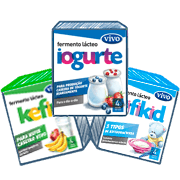
Find the right VIVO product for you

- Real yogurt, without
additives. - Ensures good digestion.
- Strengthens immunity.
 More details
?>
More details
?>

- Restores intestinal microflora
- Normalizes the digestive process
- Contains 10 types of bacteria
More details
?>

- Strengthens the immune system
- Reduces the chance of catching a cold
- Has excellent taste and texture
More details
?>
DISCOVER MORE ABOUT VIVO PRODUCTS