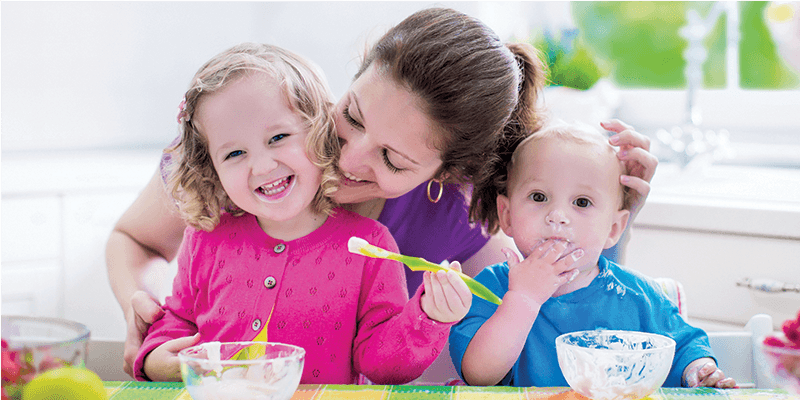
Homemade Fermented Dairy Products for Children Under 2
According to WHO (World Health Organization) recommendations, fermented dairy products should be introduced into a child’s diet from 8 to 10 months of age. From then on, fermented dairy products remain relevant for children of any age.
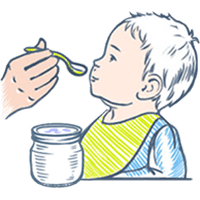

Fermented Dairy Products in Complementary Feeding
When to Introduce Complementary Foods
The first complementary foods are introduced between 4 and 7 months of age. This wide range reflects differences between babies and their mothers, including the child’s growth rate and the amount and nutritional value of breast milk. Only the baby’s pediatrician can provide individual guidance.
What Foods Should You Give Your Baby?
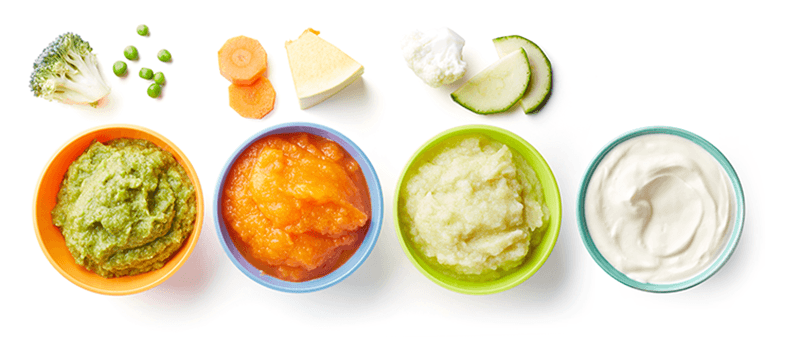
There are no strict recommendations for the order in which foods should be introduced. Foods to add to a baby’s diet during the first year include vegetable and fruit purées, cereals, and fermented dairy products such as yogurt, kefir, and cottage cheese.
As teeth come in, you can gradually replace purées with vegetables and fruit cut into pieces. Fermented dairy products remain relevant for children of any age.
Whatever food you start with, fermented dairy products should be introduced into your child’s diet during the first year of life.

What Should These Foods Be Like?
A baby’s digestive system is very sensitive, so foods used for complementary feeding must meet strict requirements:
- they should be easy to digest;
- they should contain enough nutrients and vitamins in the right proportions;
- they should contain no harmful substances;
- they should not cause digestive problems;
- they should not cause allergic reactions.
For children under 1 year old, there are additional requirements:
- the food should have a smooth texture without unnecessary lumps;
- the food should be approximately body temperature (+33–37°C).
Rules for Introducing Complementary Foods
- Readiness. Your baby should be ready for complementary foods and able to sit without support.
- Health. Do not introduce new complementary foods when your baby is ill or receiving injections.
- One at a time. Introduce new foods individually. This helps avoid overloading the digestive system and makes it easier to identify the cause if an allergic reaction occurs.
- Gradual increase. Offer a very small amount of a new food at first: no more than ½ teaspoon, once or twice a day. Gradually increase the amount, doubling it until you reach the recommended serving for your child’s age. Give the first servings of a new food at the end of a usual meal.
- If something goes wrong. Sometimes a new food causes a rash or digestive problems. In this case, do not give up on the food immediately. Take a break for a few days, or try introducing another food, then try again with a half-teaspoon serving.
Why Fermented Dairy Products Are Better
Children become familiar with milk early in life, and a baby’s digestive system is well suited to absorbing dairy products. As a rule, babies tolerate fermented dairy products well, without allergic reactions or digestive problems. Because fermentation significantly reduces the amount of lactose, fermented dairy products may be tolerated even by children who react to regular milk.
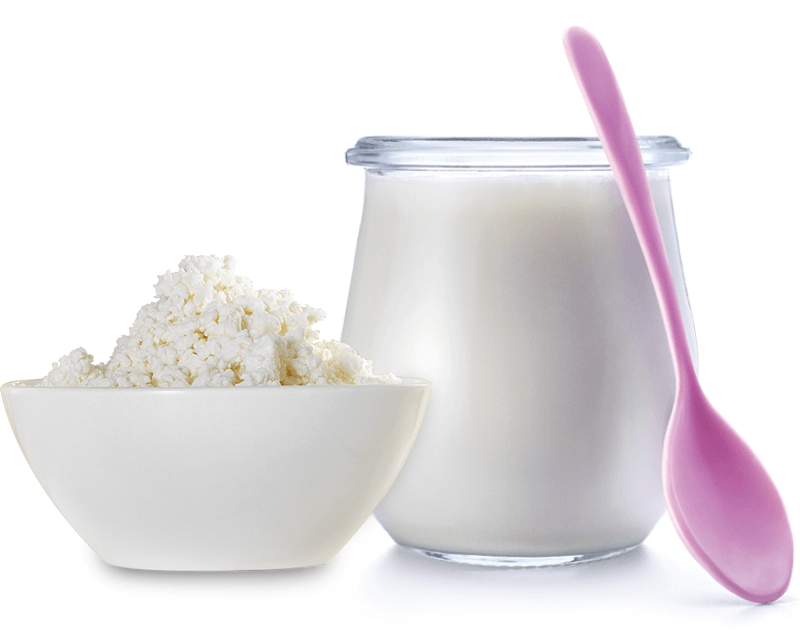
It is no surprise that milk is one of the most balanced foods for children. From birth, a baby grows on milk or a similar formula, obtaining nutrients from it. Fermented dairy products are milk in another, even more versatile form.
They contain:
- Protein, partially broken down into amino acids, which are building blocks for muscles and organs.
- Fatty acids needed for the normal functioning of every cell in the body.
- Carbohydrates, the main source of energy. Unlike whole milk, fermented dairy products contain much less lactose, which makes them easier to tolerate.
- Minerals such as calcium, potassium, phosphorus, and magnesium, which support skeletal development and normal cellular function.
- Vitamin C, B vitamins, and folic acid, which are essential for a growing body.
Fermented dairy products are more than food. Their live bacteria can benefit a child’s health:

help protect the gut from harmful bacteria

support the immune system

take part in digestion and vitamin production.
Yogurt for Children: Natural and Free from Unnecessary Additives
Avoiding harmful additives and excess sugar is especially important in children’s diets. Some additives can also cause allergic reactions and digestive problems. Finding a product without additives in a store is often difficult.
Good news: you can make real yogurt, kefir, and cottage cheese at home.
- 100% natural and always fresh;
- Contains no harmful additives such as preservatives, flavorings, or colorings;
- Contains no sugar;
- A truly live product: bacteria transform milk into yogurt right before your eyes;
Homemade yogurts contain more beneficial bacteria than store-bought yogurts. But quantity is not the only thing that matters.
If you use a special probiotic starter culture, the yogurt will be special too. Probiotic bacteria do more than turn milk into yogurt: they also benefit the body.
The beneficial bacteria in the starter culture provide the following benefits:
- Balanced intestinal microflora. Fermented dairy products are a natural and effective way to restore the balance of intestinal microflora.
- Smooth digestion. Special probiotic bacteria help normalize digestion and prevent intestinal problems.
- Strong immunity. Some starter cultures contain a special combination of bacteria that, when consumed regularly, can almost halve the risk of colds in children.*
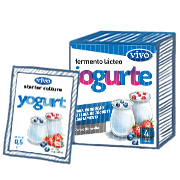
- Heat the milk to +37–40°C. Add the starter culture and stir.
- Wrap the saucepan in a large towel to keep the mixture warm. Leave it to ferment for 6–8 hours.
- Once it thickens, chill the yogurt. Before serving, you can add fruit, nuts, or honey.

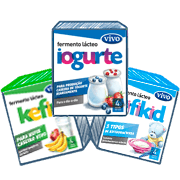
VIVO starter cultures guarantee great yogurt. Otherwise, you will receive compensation equal to twice the cost of the milk and starter culture.
Find the right VIVO product for you

- Healthy food for children from 2 years of age.
- Restores the intestinal flora.
- Normalizes digestion.
 More details
?>
More details
?>

- Real yogurt, without
additives. - Ensures good digestion.
- Strengthens immunity.
More details
?>

- Strengthens the immune system
- Reduces the chance of catching a cold
- Has excellent taste and texture
More details
?>
DISCOVER MORE ABOUT VIVO PRODUCTS