Types and Benefits of Fermented Dairy Products
The benefits of fermented dairy products are widely known around the world. They can support digestive and cardiovascular health, as well as overall well-being. Dairy products may also help support the immune system and metabolism.
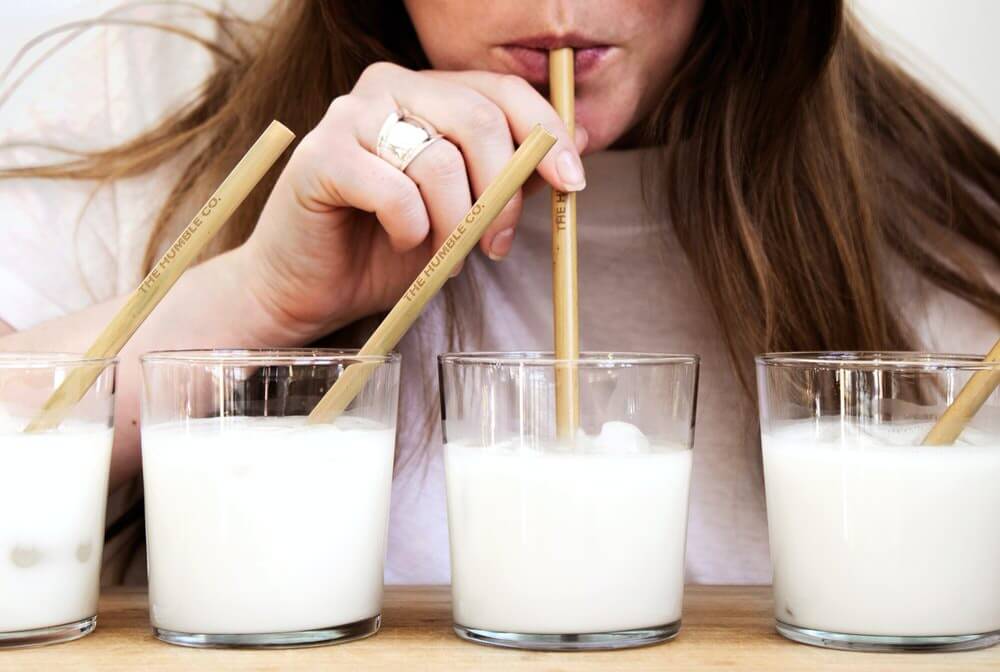
Today, stores offer a wide variety of fermented dairy products and even bacterial starter cultures for making them at home. In this article, we discuss the different types of fermented dairy products, their benefits, and how to make homemade yogurt and kefir using starter cultures.
Types of Fermented Dairy Products
How does milk turn into the yogurt, kefir, and sour cream we know? Various lactic acid and acetic acid bacteria are added to milk. Once introduced, these live microorganisms transform the milk into a new product, changing its flavor and properties.
Fermented dairy products are classified according to the type of bacteria involved in fermentation. There are two main categories:
- products made through lactic acid fermentation;
- products made through mixed lactic acid and alcoholic fermentation.
Products made through lactic acid fermentation are produced when bacteria break down milk sugar. This creates lactic acid, which causes the milk protein casein to coagulate. The resulting drink is absorbed by the body 60% better than regular milk.
Products made through lactic acid fermentation include:
- yogurt;
- ryazhenka;
- acidophilus milk;
- cultured milk;
- cottage cheese;
- sour cream;
- katyk.
In mixed fermentation, milk sugar produces carbon dioxide, alcohol, and other substances alongside lactic acid. Fermented dairy products made through mixed fermentation are absorbed even better than those made through lactic acid fermentation.
Mixed fermentation produces:
- kefir;
- koumiss;
- shubat.
If you would like to try a small chemistry experiment of your own, make yogurt or kefir at home with a starter culture. You will not need special skills or kitchen equipment, and the results will be fresh and tasty.
Benefits of Fermented Dairy Products
Products made by fermenting milk with bacteria are absorbed much better than plain milk: 90% compared with 32%. They also contain high concentrations of amino acids, vitamins, and minerals, including vitamins A, B, and D, arginine, lysine, phosphorus, potassium, calcium, and zinc.
Thanks to their nutritional composition, fermented dairy products can benefit the body in several ways:
- as a source of protein, they can help restore energy and are suitable for people who engage in intense physical activity;
- their vitamins and amino acids may support metabolism and normal intestinal movement;
- their calcium and phosphorus content makes them suitable for children’s diets, helping a growing body develop strong bones and teeth;
- they help restore the balance of intestinal microflora during dysbiosis and antibiotic treatment by increasing the number of beneficial bacteria;
- probiotics in fermented dairy products reduce the risk of stomach, breast, and colon cancer by stimulating the production of immunoglobulins and beneficial macrophages.
Low-fat fermented dairy products are also included in many weight-loss diets. During fermentation, some lactose is converted into lactic acid, so fermented dairy products contain significantly less lactose than milk. This can make them easier to digest for people with lactose intolerance.
Types of Starter Cultures for Fermented Dairy Products
You no longer need to visit a farmers’ market or search store shelves for the freshest fermented dairy products. With starter cultures, you can easily make your favorite yogurt, cottage cheese, or ryazhenka at home.
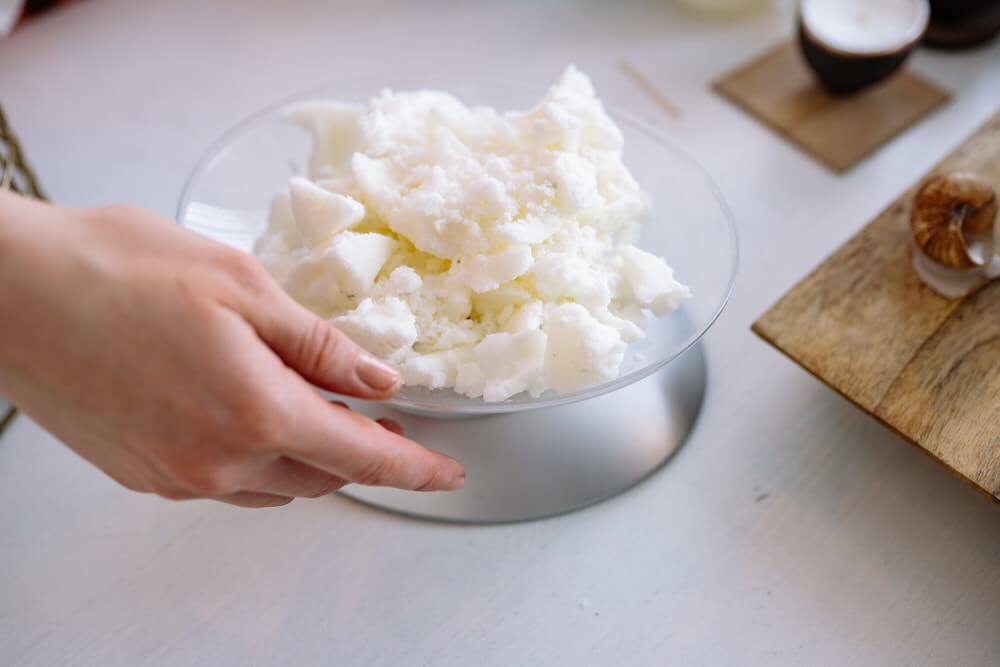
There are five types of starter cultures for fermented dairy products. They differ in their microflora: the active bacteria they contain.
- Starter cultures with thermophilic lactic acid bacteria are used to make yogurt, ryazhenka, and cultured milk. Their microflora includes thermophilic streptococci and Bulgarian bacilli.
- Starter cultures based on mesophilic lactic streptococci are used to make cottage cheese and sour cream. They contain homofermentative streptococci, aroma-producing heterofermentative streptococci, and aroma-producing leuconostocs.
- Products such as kefir and koumiss are made using multi-component kefir grain starter cultures. These contain lactic acid rods, aroma-producing streptococci, mesophilic lactic streptococci, and kefir yeasts.
- Starter cultures containing mesophilic and thermophilic lactic streptococci are used to make hard and soft cheeses.
- Starter cultures containing acidophilus bacteria and bifidobacteria are most often used to make fermented dairy products intended for therapeutic or preventive purposes, such as acidophilus milk, acidophilus infant formulas, bifidobacteria-enriched yogurts, and other products. They should be stored in the refrigerator because they sour quickly.
Products
Let’s take a closer look at which fermented dairy products you can make at home with bacterial starter cultures.
- Ryazhenka. To make it, you will need baked milk: regular milk will produce yogurt instead. You can buy baked milk or make it yourself. Pour boiled milk into an oven preheated to 100°C and leave it for 3 hours. Once it turns light beige, remove it from the oven, cool it to 40°C, add the starter culture, and stir. Wrap the container in a towel and leave it in a dark, draft-free place for 6–8 hours. Chill the ryazhenka before serving.
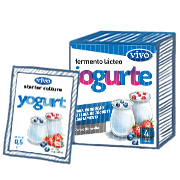
- Yogurt is one of the most popular products to make at home. You will need milk, a saucepan, a towel, a starter culture, and 15 minutes of preparation time. The process is similar to making ryazhenka: heat the milk in a saucepan to 40°C, add the starter culture, stir, wrap the saucepan in a towel, and leave it in a warm, dark place for 6–8 hours. Your homemade yogurt is ready! Greek yogurt may need a few more hours; check its consistency. To make it thicker, strain it after fermentation to remove excess liquid. Remember to chill it before serving.
- Cottage cheese is easier to make at home than you might think. One liter of milk yields up to 200 grams of fresh homemade cottage cheese, and one sachet of starter culture is enough for 3 liters of milk. Measure the milk, heat it in a saucepan to 40°C, add the starter culture, and stir. Wrap the saucepan in a towel and leave it in a warm, draft-free place for 8 hours. Once the milk has curdled, heat it over low heat until cheese curds form. Pour the mixture into cheesecloth, a sieve, or a cheese-making bag to separate the whey. Your homemade cottage cheese is ready!
- To make homemade kefir, you will need a starter culture containing live kefir grains. Kefir ferments at a lower temperature than yogurt, but takes much longer. Pour the required amount of milk into a saucepan and heat it to 30°C. Add the kefir starter culture, stir well, and leave it in a warm, draft-free place for 20–24 hours. For convenience, you can also prepare kefir directly in the milk carton.
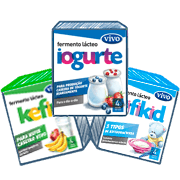
The perfect choice:

- Real yogurt, without
additives. - Ensures good digestion.
- Strengthens immunity.

- Classic kefir made with your own hands.
- Improves metabolism.
- Helps eliminate excess weight.

- Healthy food for children from 2 years of age.
- Restores the intestinal flora.
- Normalizes digestion.
Find the right VIVO product for you
- Real yogurt, without
additives. - Ensures good digestion.
- Strengthens immunity.
 More details
?>
More details
?>
- Classic kefir made with your own hands.
- Improves metabolism.
- Helps eliminate excess weight.
More details
?>

- Creamy Mediterranean yogurt
- Rich fermented milk flavor
- Non-sticky consistency
More details
?>
DISCOVER MORE ABOUT VIVO PRODUCTS