Greek Yogurt: Nutritional Value, Composition, and Benefits
Greek yogurt is a distinctive fermented dairy product and a favorite throughout the Mediterranean. In this article, we look at its composition, nutritional value, and uses in cooking.

What Is Greek Yogurt?
Greek yogurt is a fermented dairy product with a high concentration of milk solids. It is made by fermenting milk with pure cultures of lactic acid bacteria. Its production method gives it a thick, creamy texture and a rich flavor.
Traditionally, Greek yogurt was made from sheep’s milk. The main difference between it and other fermented dairy products is that it was strained after fermentation to make it thicker. Because sheep’s milk fermented differently from cow’s milk, it had to be strained under greater pressure. Sheep’s milk is richer and thicker, so the finished product was more concentrated and could not be drunk.
According to legend, this unusual product was created when some forgetful Greeks left a jug of milk in a warm place. This is how Greek yogurt, with a consistency resembling fresh cheese or cottage cheese, came about. Each region of Greece prepares it in its own way. In some places, cow’s milk is boiled to increase the concentration of milk solids. Elsewhere, sheep’s or goat’s milk is traditionally used and the yogurt is aged in cellars. What remains constant is the use of fresh milk without additives or unnecessary processing. Such a natural product keeps for no more than two or three days.
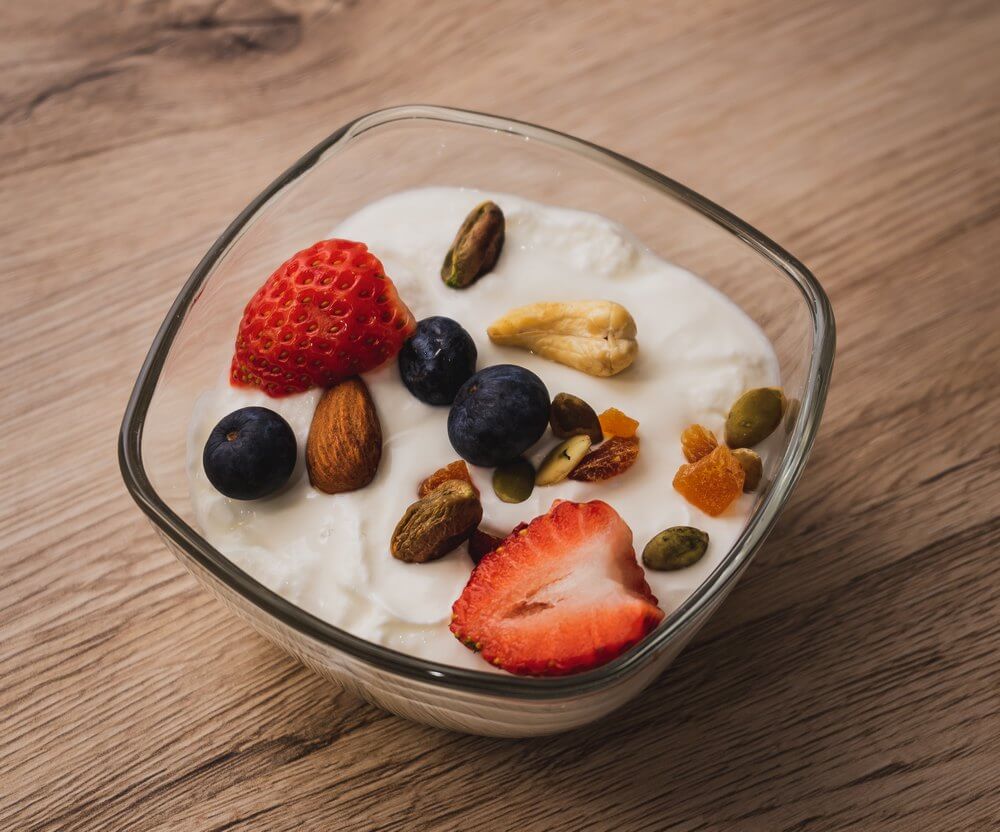
In its homeland of Greece, yogurt is eaten on its own or served as a dessert with honey, fruit, and nuts. It is also the base for the traditional dip tzatziki, which Greeks say goes with almost anything.

How Is Greek Yogurt Different from Regular Yogurt?
Both regular and Greek yogurt are made by fermenting milk with live bacterial cultures. The difference is that Greek yogurt is strained to remove whey, giving it a thicker consistency. Whey contains lactose, the natural sugar found in milk. Removing some of this liquid makes Greek yogurt thicker and gives it a creamier taste. It is usually placed in a strainer or cheesecloth bag so excess liquid can drain into a separate container under its own weight. Regular yogurt can be eaten immediately after fermentation or refrigerated for a few hours.
Read also: Yogurt: Everything You Wanted to Know About It
Both fermented dairy products have valuable nutritional qualities:
- they contain calcium and protein;
- they have probiotic properties;
- their bacteria help support normal digestion;
- unsweetened dishes made with them can be included in a diet.
Greek yogurt also has several nutritional advantages over regular yogurt. Because its milk solids are more concentrated, it contains more calcium, protein, and other nutrients per serving than unstrained yogurt. It generally has less sugar and fewer carbohydrates because some of the lactose found in dairy products is removed with the whey, while some is converted into lactic acid. Regular yogurt contains up to 3% protein, while Greek yogurt can contain 10–15% protein by weight. These characteristics apply to strained Greek yogurt. If it is not strained, its nutrient concentrations will be similar to those of regular yogurt.
Making Greek yogurt requires two to three times as much milk as making regular yogurt. When you prepare it at home, however, you can control the thickness of the finished product by deciding how much whey to drain.

Composition of Greek Yogurt
As a percentage of its nutrients, Greek yogurt contains approximately 35% protein, no more than 45% fat, and 20% carbohydrates.
This fermented dairy product contains sodium, magnesium, potassium, riboflavin, iodine, and pantothenic acid. It also provides 3% of the daily recommended intake of vitamin A (retinol) and 10% of calcium. The saturated fats and animal cholesterol present in small amounts in yogurt are needed in modest quantities to maintain cardiovascular health.
People often consume more salt than they need. A prolonged excess of sodium can disrupt lymphatic flow and negatively affect cardiovascular health. The body may then retain excess fluid, leading to swelling and depletion of calcium stores. It is therefore important to maintain a balance between potassium and sodium. Greek yogurt can help you maintain the right balance of these minerals while gradually reducing your salt intake.
As a fermented product, yogurt also contains less lactose than whole milk and may be suitable for people with partial lactose intolerance.
But how can you tell whether Greek yogurt contains the nutrients you need? The beneficial properties described here belong to fresh, natural yogurt without additives. Some manufacturers skip the straining process and add thickeners instead. Read the ingredients and expiration date carefully when buying yogurt. It should not contain coloring agents, preservatives, or thickeners. A product containing cornstarch, pectin, or powdered milk will not necessarily harm you, but it may offer fewer benefits.
Ideally, the ingredient list of store-bought yogurt should contain only:
- standardized pasteurized milk;
- a bacterial starter culture.

Store-bought yogurt may contain 2–4 grams of fat and up to 5 grams of protein per 100 grams of product. These relatively low nutrient levels can occur when a low-calorie industrial product is made from skimmed milk and thickeners. This reduces its calorie content, but also its nutritional value. Additives such as sugar, jam, or honey increase the calorie count without adding the same nutritional benefits.
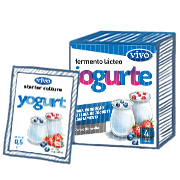
Freshly made and strained homemade yogurt can contain more calcium, protein, and saturated fat, though the exact amounts depend on how much liquid is removed. To be confident about the quality of your yogurt, we recommend making it at home with the “VIVO Greek Yogurt” bacterial starter culture. It contains live microorganisms for fermenting yogurt in your kitchen. You will need milk, the dry starter culture, and about 15 minutes to heat the milk and prepare suitable conditions for the microorganisms. They remain dormant in the package; warmth and moisture activate them and allow them to multiply. If you maintain the right temperature, the result is fresh, natural yogurt without stabilizers or other unwanted additives. Then strain it through a fine sieve or several layers of cheesecloth. If you plan to make fermented dairy products regularly, you can also use reusable straining bags.
Read also: Homemade Yogurt: Why Make It Instead of Buying It?
Greek Yogurt: Nutritional Value and Calories
Natural strained Greek yogurt will generally be richer and higher in calories per serving than unstrained yogurt. Draining some of the whey removes some carbohydrates, while much of the protein and fat remains in the yogurt. The nutritional value of the finished product therefore depends on:
- the fat content of the milk used for fermentation;
- how much yogurt remains after straining.
What Are the Benefits of Greek Yogurt?
The beneficial bacteria and minerals in Greek yogurt:
- support the immune system;
- provide the body with essential nutrients;
- help limit the growth of harmful microorganisms;
- support nutrient absorption;
- help maintain normal stomach and intestinal function.
Greek yogurt is rich in protein, which is made up of amino acids and helps build and repair muscle tissue. During production, the liquid portion is strained off, leaving much of the protein in the thick yogurt. This is why Greek yogurt is filling and can support muscle growth and recovery. If you exercise, a serving after training can provide around 20 grams of easily digested protein. Consuming protein after a workout supports muscle recovery. People who get enough protein in their daily diet may also feel fuller after meals, which can help with weight management. Add a banana or a few berries for a more complete post-workout snack.

Greek yogurt can be included in a weight-loss diet. A serving as a snack provides nutrients, including calcium. For a balanced snack, combine unsweetened Greek yogurt with fiber-rich carbohydrates, such as vegetables, fruit, or berries, and healthy fats from fish, nuts, seeds, or avocado.

Calcium is essential for bone formation and is especially important for children, women, and older adults. Regular consumption of unsweetened Greek yogurt with probiotic bacteria may support bone health in older adults. The product also contains vitamin D, which helps the body absorb calcium. Because Greek yogurt is high in protein, the article recommends introducing it to children from the age of three to avoid placing excessive demands on their kidneys.
Read also: Homemade Fermented Dairy Products for Children Aged Two and Older
Calcium also affects cortisol production in the body. Elevated levels of the hormone cortisol may contribute to fat accumulation and make weight loss more difficult. Including calcium-rich Greek yogurt in your diet may help limit fat production in the body.
Greek yogurt contains iodine, which is important for normal thyroid function. For people managing their weight, getting enough iodine supports thyroid activity and the metabolism of hormones involved in weight regulation.
Serotonin is sometimes called the “happiness hormone.” Only 10–20% is produced in the brain, while the rest is produced in the gut. Consuming live probiotic bacteria found in homemade fermented dairy products may support mental well-being through the connection between the gut and the brain. Eating 100 grams of probiotic Greek yogurt daily may help reduce stress and anxiety.
Read also: How Can You Strengthen Your Immune System?
Regular consumption of Greek yogurt may also support carbohydrate metabolism and stable blood glucose levels. This may help reduce the risk of type 2 diabetes by improving insulin sensitivity and reducing inflammation.

What Can You Make with Greek Yogurt?
Yogurt is an excellent base for a variety of sauces. Unsweetened Greek yogurt can replace mayonnaise in everyday meals, making dishes lighter. It also makes a satisfying snack: add your favorite fresh fruit, candied fruit, or nuts. Below are a few ways to prepare and serve Greek yogurt with both desserts and savory dishes.
Tzatziki Sauce
Tzatziki is a simple Greek sauce served with meat, fish, spicy dishes, or simply bread.

You will need:
- 200 grams of Greek yogurt;
- 2 sprigs of dill;
- olive oil;
- olives;
- salt;
- hot pickled pepper;
- a few garlic cloves.
How to make it:
- Place the main ingredient, Greek yogurt, in a separate bowl.
- Peel the cucumber and grate it coarsely. Squeeze out and discard the excess moisture, then add it to the yogurt.
- Crush the garlic cloves with the side of a knife, then chop them finely. One clove, or even half a clove, is enough for a mild flavor. Add more if you prefer a stronger taste.
- Remove the dill stems, finely chop the leaves, and combine all the ingredients.
- To serve, spoon some sauce onto a plate, smooth it out, and make a few wave-like grooves with the edge of a knife. Place a few olives on top and drizzle with a spoonful of olive oil. Add pickled pepper if you like it spicy.
- Serve the sauce chilled, but not too cold, so the aroma of the fresh ingredients comes through.
You can watch a step-by-step video recipe for the popular Greek sauce tzatziki on our YouTube channel.
Read also: Tzatziki Sauce (link)
Greek Yogurt, Cucumber, and Mint Sauce

You will need:
- Greek yogurt;
- cucumber;
- mint;
- salt.
How to make it:
- Peel the cucumber and grate it finely for a more even texture. Place it in a strainer and add salt to draw out the juice. Stir and press the grated cucumber with a spatula to remove the liquid and concentrate its flavor.
- Put the yogurt in a bowl, add the cucumber, and stir.
- Bruise the mint leaves between your fingers, chop them finely, and add them to the bowl.
- Transfer to a sauce dish and garnish with a mint leaf or fresh pomegranate seeds.
Yogurt Cake
This cake is made with everyday ingredients, without flour or yeast. It turns out light and delicate.

You will need:
- 4 chicken eggs;
- 350 grams of Greek yogurt;
- 3 tablespoons of cornstarch;
- 3 tablespoons of sugar;
- 1 teaspoon of baking powder;
- zest of half a lemon;
- powdered sugar for dusting.
How to make it:
- Take the eggs out of the refrigerator in advance so they reach room temperature. Wash them under running water, crack them, and separate the whites and yolks into different bowls. Make sure the bowls and utensils are clean and dry.
- First, combine the yolks with three tablespoons of sugar. Stir with a whisk for 5–7 minutes; there is no need to beat them. The mixture should be smooth and the sugar fully dissolved.
- Wash the lemon and finely grate the yellow zest, avoiding the bitter white pith. Add the zest to the yolk mixture.
- Add one teaspoon of baking powder and three tablespoons of cornstarch. Mix thoroughly until smooth and free of lumps.
- Add the yogurt and mix again.
- Use an electric mixer to beat the egg whites until stiff peaks form. Start on a low speed and gradually increase it.
- Gently fold the beaten whites into the batter with a spoon or spatula, taking care to keep the mixture airy.
- Preheat the oven to 170°C. Line a round 16–18 cm baking pan with parchment paper and grease it with butter. Pour in the batter and bake for 30–40 minutes.
- Watch the top of the cake. Once it begins to brown, turn off the oven and leave the cake inside for another 5–10 minutes.
- Carefully remove the parchment paper and serve the cake dusted with powdered sugar.
Strawberry Ice Cream with Greek Yogurt
You can make this favorite treat for children and adults at home with simple ingredients and a little free time. Thanks to the Greek yogurt, it is lighter than traditional ice cream while remaining sweet.

You will need:
- 500 grams of Greek yogurt;
- 250 grams of strawberries;
- 120 grams of condensed milk;
- 1 tablespoon of honey;
- 0.5 teaspoon of vanilla powder.
How to make it:
- In a bowl, whisk the Greek yogurt with the condensed milk, honey, and vanilla.
- Wash and dry the strawberries, then remove their stems. Purée them with a blender or press them through a strainer. Add the purée to the other ingredients.
- Whisk everything together until smooth, cover, and place in the freezer.
- After an hour and a half, remove the mixture and whisk it to break up the ice crystals. Repeat this step two or three more times at 1.5-hour intervals.
- Before serving, leave it at room temperature for 10–15 minutes, then scoop and serve.
Greek yogurt is a nutritious product that can be part of a balanced diet. It provides nutrients that support bone and muscle health, and its live cultures may benefit digestion. Now you know how it differs from regular yogurt and how to enjoy it in both sweet and savory dishes.
Images from: pixabay.com, pexels.com.

- Creamy Mediterranean yogurt
- Rich fermented milk flavor
- Non-sticky consistency
 More details
?>
More details
?>

- Real yogurt, without
additives. - Ensures good digestion.
- Strengthens immunity.
More details
?>

- Classic kefir made with your own hands.
- Improves metabolism.
- Helps eliminate excess weight.
More details
?>
Find the right VIVO product for you
- Creamy Mediterranean yogurt
- Rich fermented milk flavor
- Non-sticky consistency
More details
?>
- Real yogurt, without
additives. - Ensures good digestion.
- Strengthens immunity.
More details
?>

- Strengthens the immune system
- Reduces the chance of catching a cold
- Has excellent taste and texture
More details
?>
DISCOVER MORE ABOUT VIVO PRODUCTS