Healthy Eating During Pregnancy: Fermented Dairy Products
Good nutrition during pregnancy supports the baby’s growth and development. That is why expectant mothers should pay particular attention to what they eat. Let’s look at how to build a diet that benefits both mother and baby.

Healthy Eating During Pregnancy: The Diet
Pregnancy is a time when a woman receives extra care and attention. Everyone around her tries to look after her and, of course, feed her. But does she really need to eat for two and indulge in every sweet craving because the baby needs it?
For many women, the first trimester brings morning sickness and changes in food preferences. Even so, a balanced diet remains important for the baby’s development.
Here are some recommendations for eating during pregnancy:
- Eat smaller portions more frequently;
- Avoid long gaps between meals;
- Keep a healthy snack on hand;
- Avoid overeating.
The energy value of the diet should increase by only 200 kcal per day compared with the usual requirement for a woman’s height and weight. In other words, daily calorie intake can be calculated using the formula: 25–30 kcal per kilogram of body weight + 200 kcal per day.
Protein
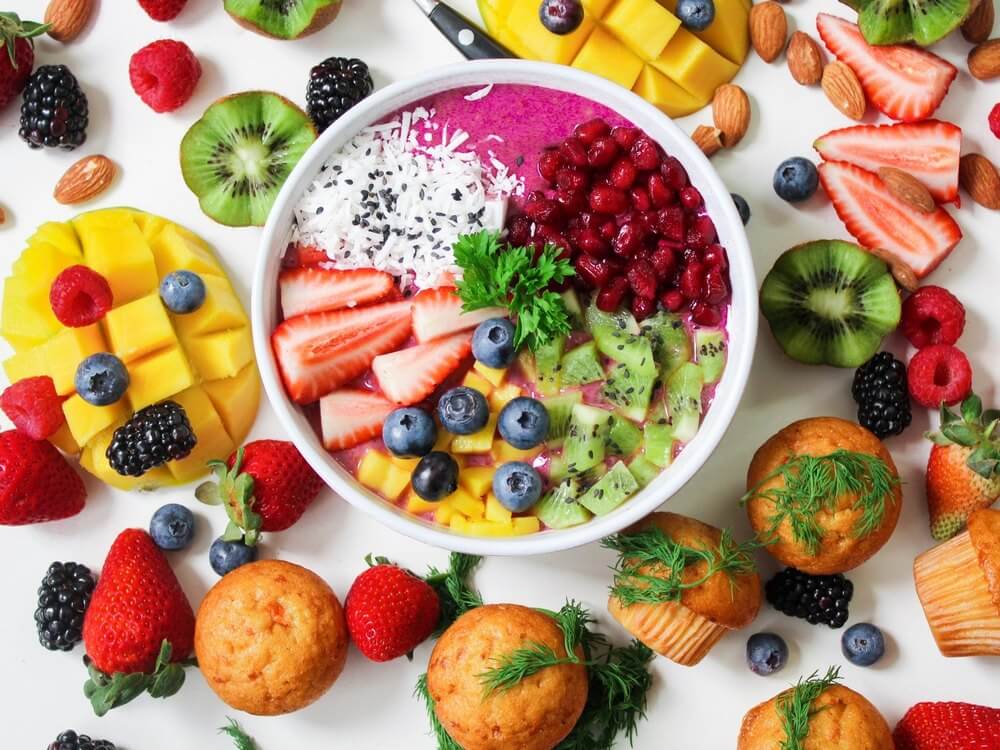
A pregnant woman needs a varied diet with a slightly increased amount of protein-rich foods. Proteins provide the building blocks for peptides, neurotransmitters, and hormones.
Doctors recommend eating more low-fat cottage cheese, fish, chicken breast, hard cheeses, and fermented dairy products as sources of protein. Enzymes, normally produced by the pancreas, are needed to digest protein. You can also support your body through food without turning to medication: for example, by drinking fresh juice or eating fruit, vegetables, or leafy greens.
Fats
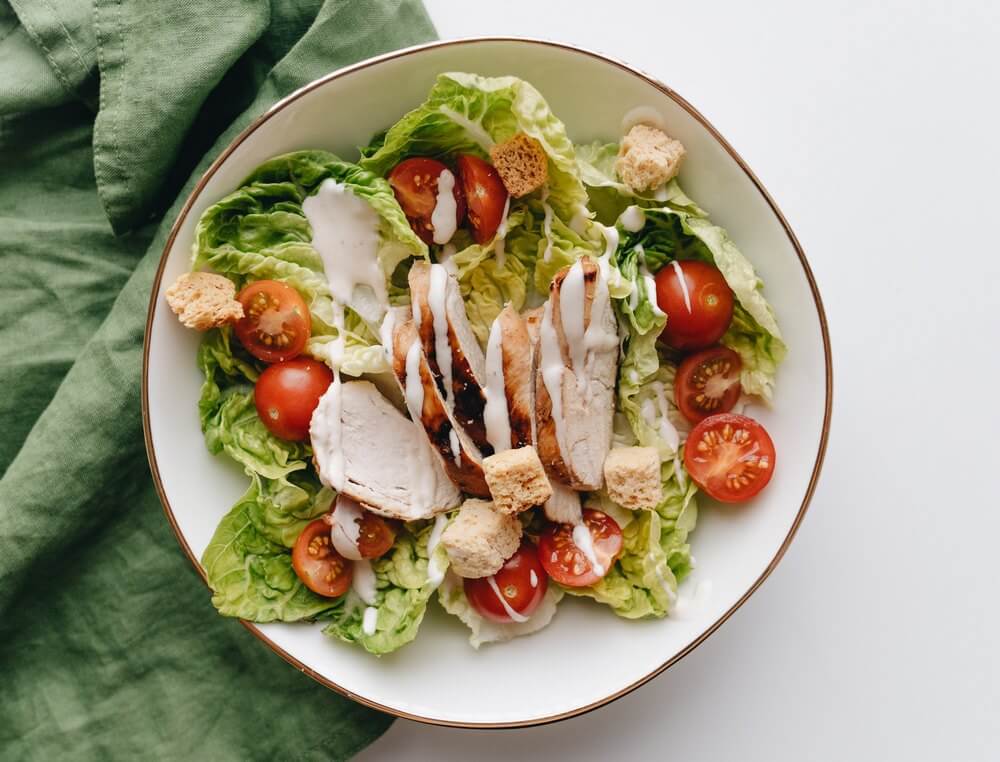
Good sources of fat include:
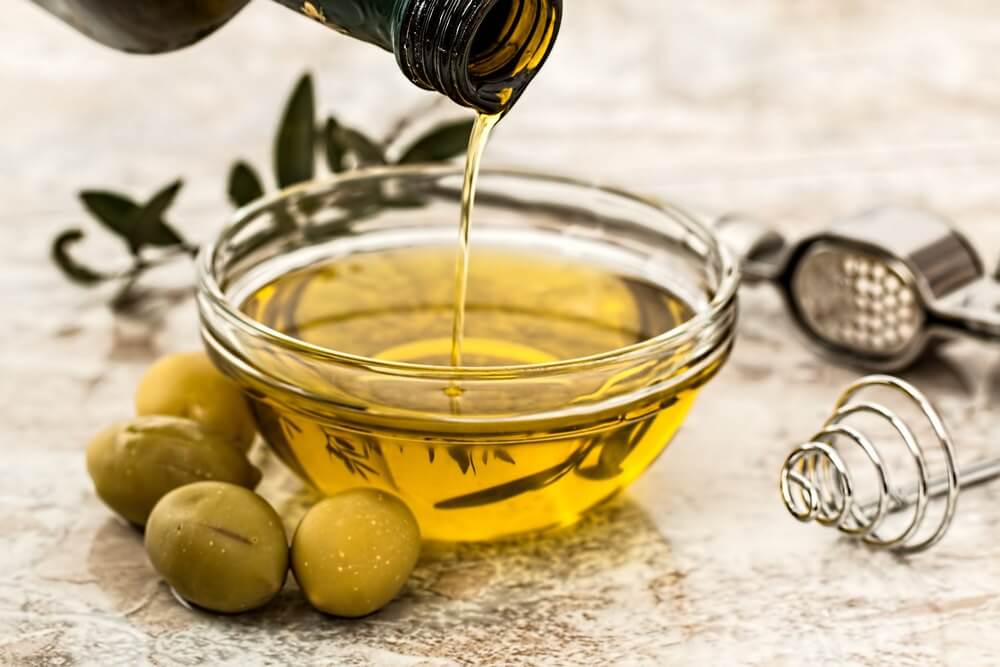
- Unrefined vegetable oils, such as olive, corn, and flaxseed oil.
- Nuts and seeds.
- Oily fish and seafood rich in omega-3 fatty acids.
- Animal fats from dairy products, fermented dairy products, and meat.
For pregnant women without cardiovascular disease, it is important not to exclude animal fats from the diet, including full-fat cottage cheese, fattier cuts of meat, and butter.
Carbohydrates
Complex carbohydrates are especially important, particularly those from vegetables and fruits, which also contain plenty of fiber. Choose seasonal fruits and vegetables commonly eaten in the region where you live. Exotic fruits that you did not eat before pregnancy should not be introduced into your diet during this time.
Sources of complex carbohydrates include:
- Whole-grain bread.
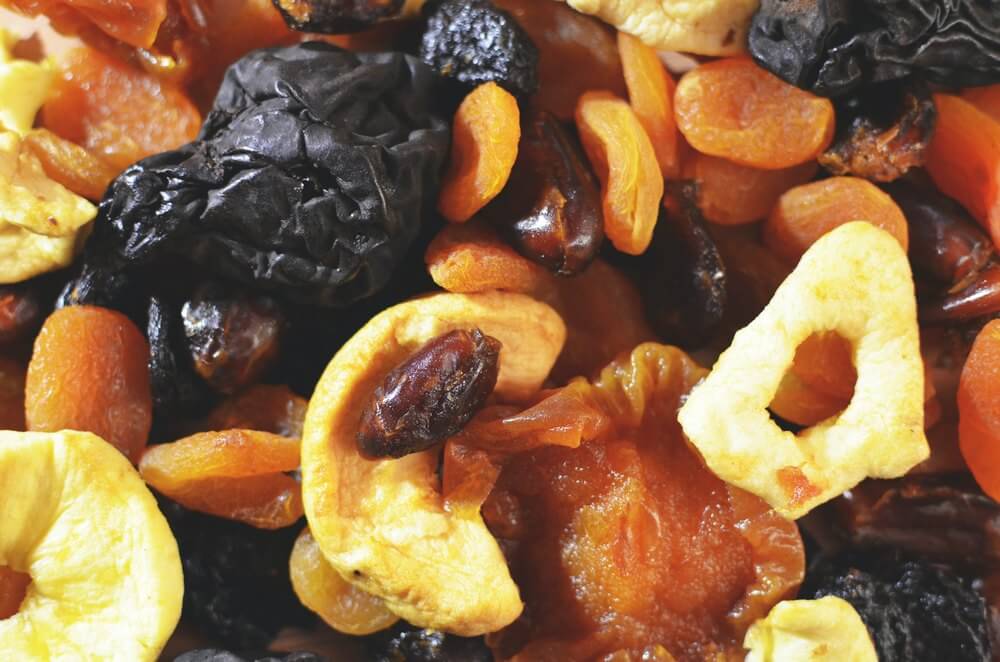
- Dried fruit.
- Durum wheat pasta.
It is good to include iron-containing foods in the diet, such as buckwheat, red meat, liver, and apples, especially those that darken quickly after being cut. For better absorption, doctors recommend pairing iron-rich foods with a nutritious mixture of honey, dried fruit, and nuts. Together, they contain many enzymes that create favorable conditions for iron absorption.
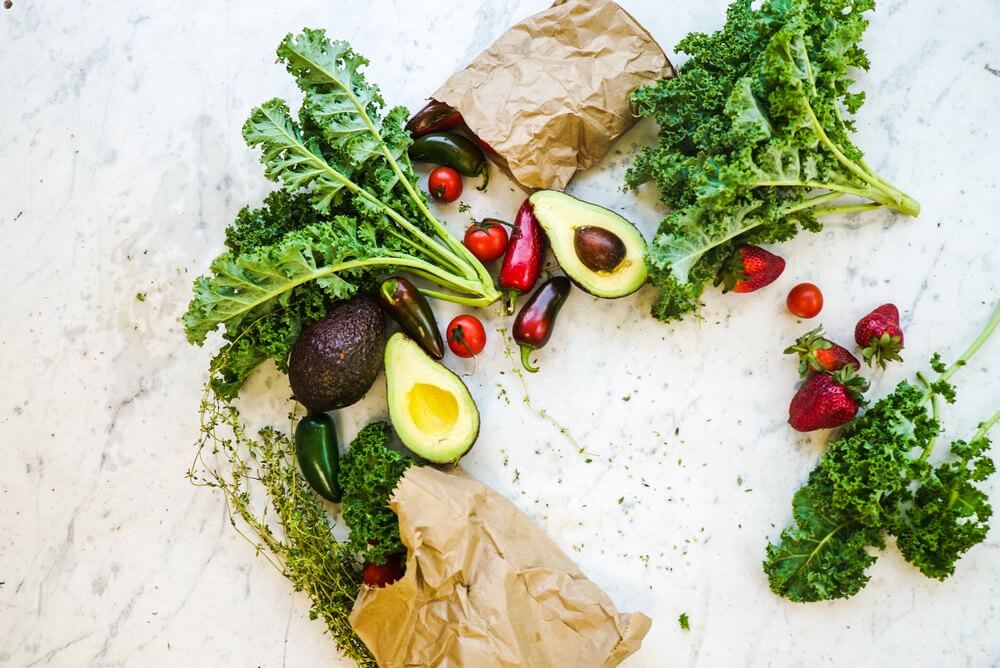
Leafy greens are also an important part of a pregnant woman’s diet. They contain folate, which is essential for the baby’s development, particularly for proper cell division and growth. Folic acid tablets are often prescribed as early as the pregnancy-planning stage, but it is important to understand that most supplements are synthetically produced and are not always fully absorbed by the body. It is also important to obtain this vitamin from natural sources.
Eating During Each Trimester
Eating during the first trimester does not require major changes. Include more foods with a high water content, as well as leafy greens, vegetables, and fruit. During this trimester, listen to your body and avoid foods that make you feel nauseated or uncomfortable.
In the second trimester, focus on providing beneficial nutrients through dairy products, fish, and meat. If possible, avoid eating large amounts of sweets.
In the third trimester, when the kidneys and liver are working harder, try eating light soups, porridge, and fruit. Baked and boiled dishes can be easier on the digestive system. Add probiotics to your diet to ease the burden on the digestive tract and help prevent constipation.
Fluid intake deserves separate attention. An expectant mother loses more fluid than other women because of the additional demands on her respiratory and cardiovascular systems. Some fluid is also used to form amniotic fluid, which carries nutrients from mother to baby. It is therefore important to replace lost fluids in good time, while avoiding excessive intake that may cause swelling. Ideally, drink small amounts of about 150 ml at a time. In the first trimester, daily fluid intake is approximately 2.5 liters. In the second and third trimesters, it is advisable to limit intake to 1.5 liters per day because the risk of swelling increases later in pregnancy. Clean, filtered water is the best choice.
Fermented Dairy Products During Pregnancy
The absorption of nutrients from the gastrointestinal tract also depends on how effectively beneficial bacteria process what we eat. Fermented dairy products can support digestion and provide beneficial microorganisms and probiotic bacteria. These bacteria stimulate the growth and activity of the natural intestinal microflora, supporting digestive, immune, and nervous system health.
Yogurt
Scientific studies have shown that eating yogurt reduces the risk of candidiasis and other vaginal conditions associated with hormonal changes. Yogurt containing probiotic bacteria showed stronger results.
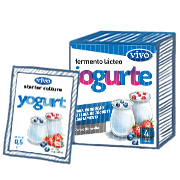
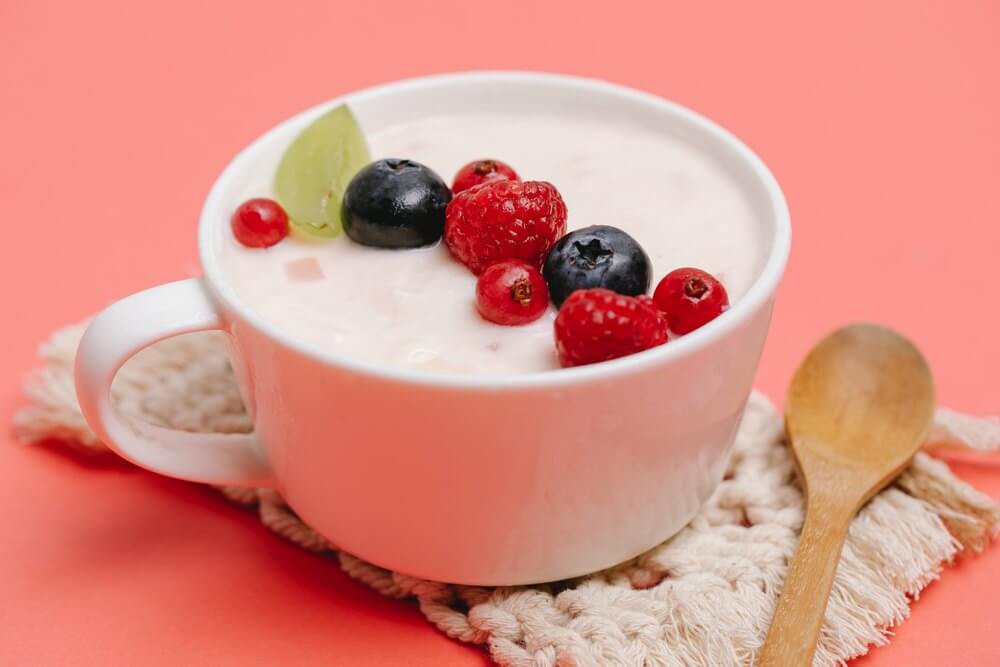
Homemade yogurt without sugar or artificial additives, but rich in beneficial bacteria, can be especially useful for pregnant women. Making yogurt at home is easy: buy a suitable starter culture, add it to warm milk, and keep it at the right temperature so the microorganisms can ferment the milk.
“VIVO Probio Yogurt” has enhanced probiotic properties. It contains 10 types of bacteria that help restore the microflora and support digestion.
Depending on the effect you want or the flavor you prefer, you can use different dry starter cultures:
- “VIVO Yogurt” — natural yogurt without additives and with a neutral flavor.
- “VIVO Greek Yogurt” — thick Mediterranean-style yogurt with a rich flavor and a less runny texture.
- “VIVO Immune Yogurt” — supports immunity and the body’s natural defenses against colds and acute respiratory infections.
Homemade “VIVO Yogurt” made with a bacterial starter culture can replace rich mayonnaise in a pregnant woman’s diet and makes a great dressing for vegetable salads, fruit, and desserts. Yogurt is easy to digest and rich in calcium, which both mother and baby need during pregnancy.
Kefir
One of the most common concerns during pregnancy, constipation, can also be addressed by eating fermented dairy products. Together with fiber-rich foods, they gently stimulate digestion and, when consumed regularly, help relieve constipation. Fresh, one-day-old kefir has a mild laxative effect, but it is difficult to buy in stores because several days may pass between production and delivery to the shelf. For truly fresh kefir, use the “VIVO Kefir” bacterial starter culture and make it at home.
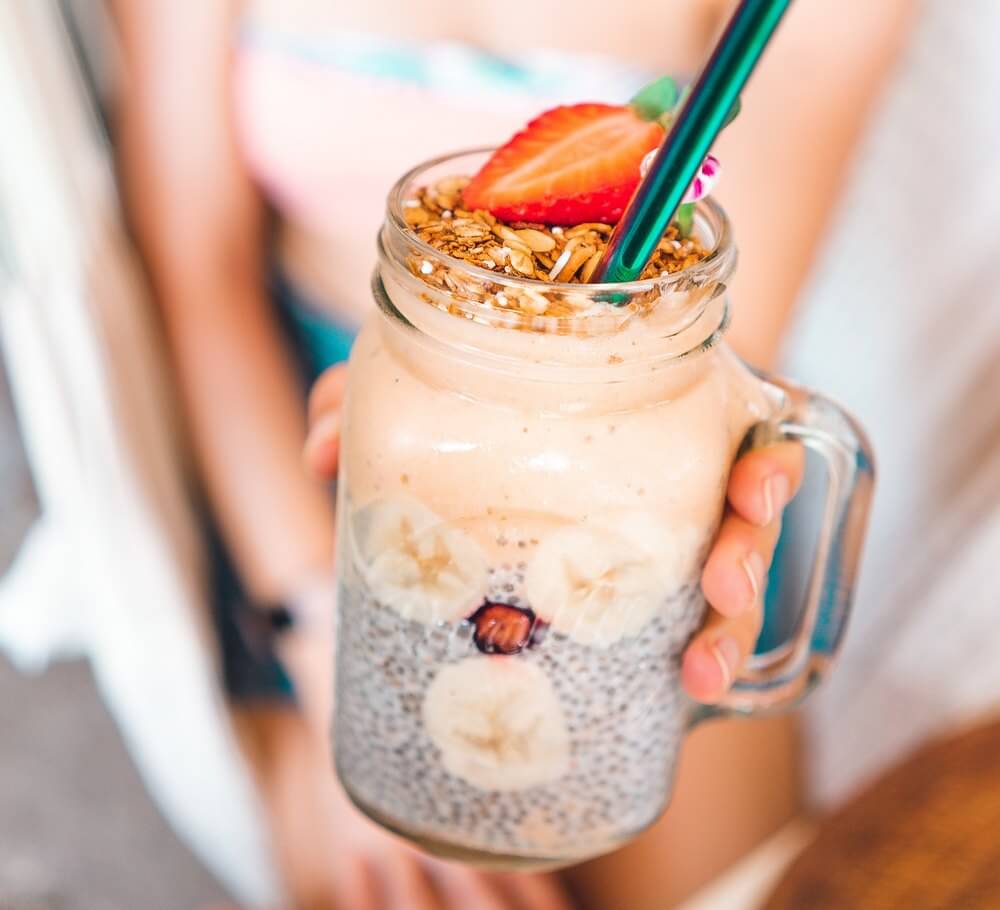
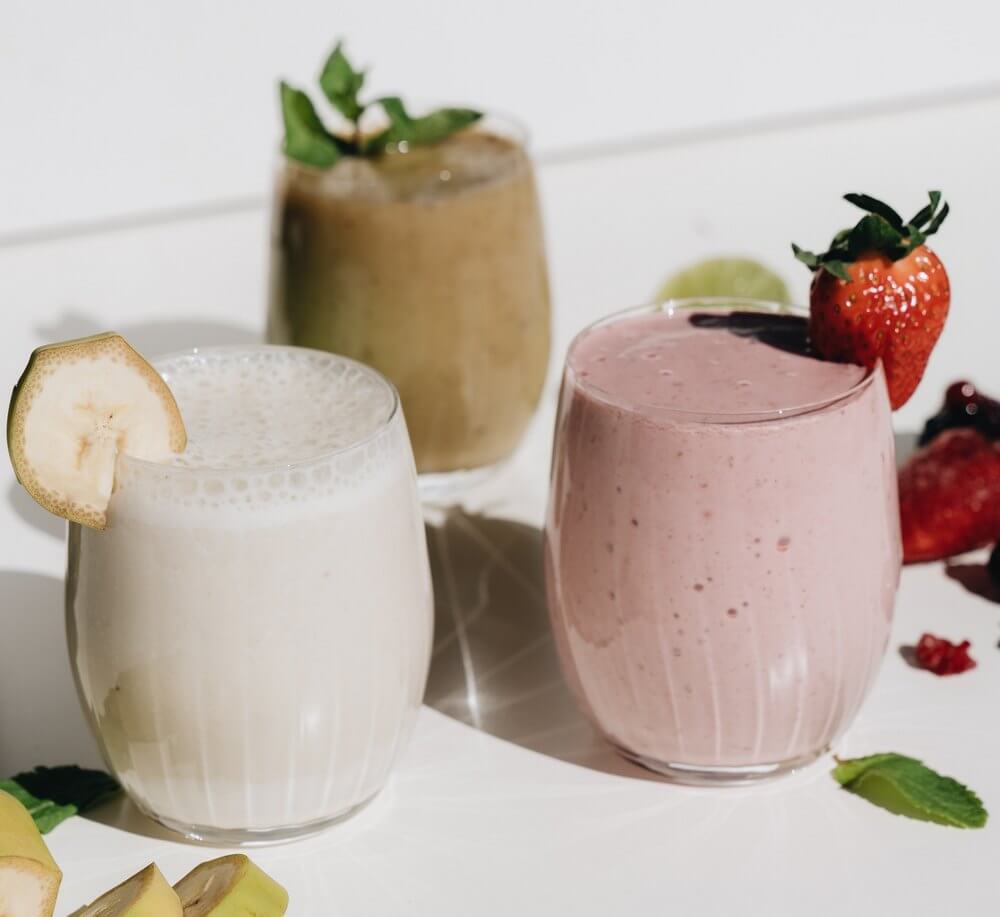
You can drink this kefir on its own or blend it with fresh seasonal fruit or berries to make a smoothie.
Cottage Cheese
Sour Cream
The benefits of sour cream can be especially relevant during pregnancy. It contains animal fats, which should be included in a pregnant woman’s diet in reasonable amounts to maintain normal cholesterol levels. Cholesterol is needed for hormonal balance because it is used to make steroid sex hormones. It also supports healthy skin, hair, and nails and plays a role in cell formation and vitamin D synthesis. Sour cream also contains choline, an essential nutrient sometimes called vitamin B4, which contributes to the baby’s brain development. To make homemade sour cream, you can choose cream with a higher or lower fat content to suit your nutritional needs. Mix the cream with the “VIVO Sour Cream” starter culture and maintain the right temperature for the microorganisms to grow. You can prepare this homemade product in a saucepan, multicooker, or dedicated yogurt maker. Sour cream can also be fermented using high-fat milk with more than 6% fat. This produces a lower-calorie product with a runnier consistency than regular sour cream.
For eating as it is, choose a product with 10–25% fat. Higher-fat varieties are better suited to making pastry creams and sauces.

Combine fruit and vegetables with fermented dairy products in both sweet and savory dishes. Cottage cheese goes well with vegetable salads, can be seasoned and used as a sandwich spread, and is satisfying on its own. Yogurt and sour cream can be added to soups or used in snacks, hot dishes, and desserts. Kefir also makes a satisfying bedtime snack that will not feel heavy on the stomach.
Enjoy your food, and your baby will receive the nutrients it needs from your diet!
Image source: pexels.com.
The perfect choice:

- Real yogurt, without
additives. - Ensures good digestion.
- Strengthens immunity.

- Classic kefir made with your own hands.
- Improves metabolism.
- Helps eliminate excess weight.

- Healthy food for children from 2 years of age.
- Restores the intestinal flora.
- Normalizes digestion.
Find the right VIVO product for you

- Strengthens the immune system
- Reduces the chance of catching a cold
- Has excellent taste and texture
 More details
?>
More details
?>
- Real yogurt, without
additives. - Ensures good digestion.
- Strengthens immunity.
More details
?>

- Restores intestinal microflora
- Normalizes the digestive process
- Contains 10 types of bacteria
More details
?>
- Healthy food for children from 2 years of age.
- Restores the intestinal flora.
- Normalizes digestion.
More details
?>
DISCOVER MORE ABOUT VIVO PRODUCTS