Kefir: Benefits, Composition, and How to Make This Fermented Dairy Drink
Kefir is a fermented dairy product made through the action of bacteria and yeast. In this article, we discuss its composition, benefits, preparation methods, and use by children and adults.

Kefir: Its Origins
The word “kefir” is familiar in most European countries, but some people in Africa, Australia, and Southeast Asia have never heard of or tasted the drink. The term did not become common until the late 19th century, although fermented dairy products were already popular. These included cultured milk, ryazhenka, koumiss, ayran, and katyk. The word itself is translated from Tatar as “fermented milk.”
The drink was largely unknown in European countries until 1881. Kefir is thought to have originated in the Elbrus region, in the mountains of the North Caucasus. It was there that people first discovered they could extend the life of milk by letting it sour for several days. Local residents noticed the drink’s unusual flavor and its positive effect on digestion. From there, this way of processing fresh milk spread across the Northern Hemisphere.
According to one theory, kefir as we know it became widely known thanks to the research of Vladimir Dmitriev. He encountered the drink while traveling in the Caucasus in 1880 and described the positive effects of fermented milk a year later in his book “Real Koumiss from Cow’s Milk.” He suggested that kefir emerged as livestock farming in the North Caucasus shifted from horses to cattle: a starter culture adapted to mare’s milk began to be used with cow’s milk as well.
This was also a period of growing research into human physiology and health, and food began to be viewed as an element of well-being. The approach to medicine expanded beyond treating illness to considering what people consumed regularly. Vegetarianism, balanced nutrition, and fasting days gained popularity. For some, these were fashionable trends; for others, a moral choice or a way to save money on food.
Kefir fitted neatly into this way of thinking: it was considered useful, inexpensive, and modern. Fermented dairy drinks gradually became common in therapeutic diets, and kefir came to symbolize healthy eating and longevity. In the 20th century, people encountered kefir throughout their lives: first as a complementary food prepared in a dairy kitchen, then in kindergartens, workplace cafeterias, sanatoriums, and boarding houses.
Composition of Kefir
Kefir contains many probiotics: live microorganisms also found in cultured milk and yogurt. Some are similar to bacteria that naturally inhabit the intestines and help them function.
Kefir contains around 30 strains of bacteria and yeast, making it a valuable source of probiotics. For example, a liter of kefir contains 10 trillion beneficial bacteria, while yogurt contains only three.
Its composition also includes:
- water;
- proteins;
- fats;
- carbohydrates;
- ash;
- organic acids;
- vitamins and minerals.
Some people cannot fully digest lactose, the sugar found in regular milk. For them, consuming it may cause bloating, diarrhea, or even vomiting. In kefir, some lactose is converted into lactic acid, which can make it easier to digest.
The number of live bacteria in 1 gram of the product should be at least 107, or 10 million. The yeast count should exceed 104. On packaging, these numbers are expressed as “CFU,” meaning colony-forming units of microorganisms.
Kefir differs from other fermented dairy products in its starter culture and the small amount of alcohol produced naturally during fermentation. Its ethanol content is usually around 0.6%.
Kefir starter cultures contain lactic acid bacteria, Lactobacillus bacteria, Acetobacteraceae bacteria, and yeasts.
Types of Kefir
Depending on how long it has matured, kefir is divided into:
- one-day kefir;
- two-day kefir;
- three-day kefir.
These types differ in acidity, protein swelling, and the amount of carbon dioxide and alcohol that accumulates.
One-Day Kefir
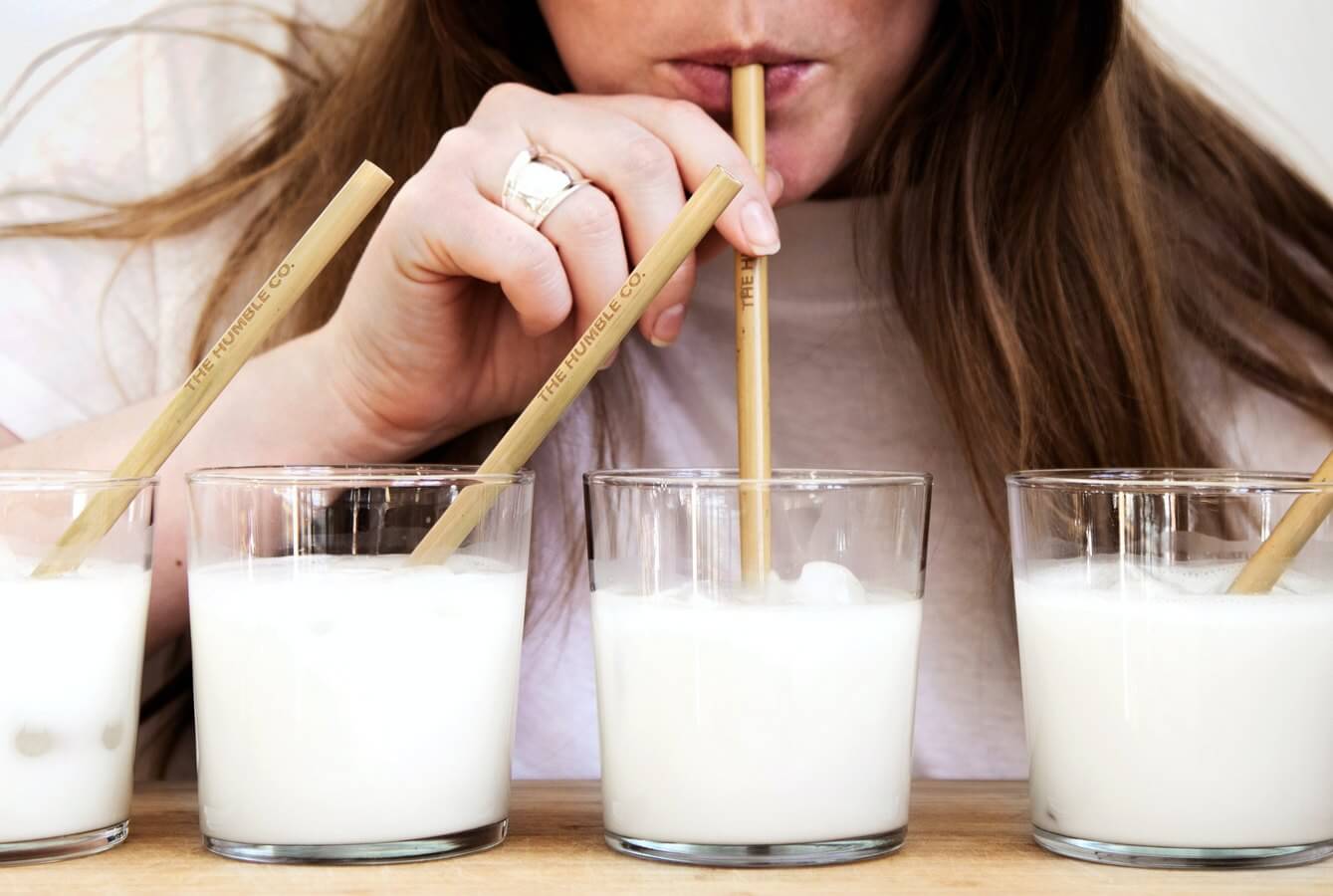
This product is left to mature for one day after fermentation. Its ethyl alcohol content reaches 0.07%, and it can be consumed daily. It has a mild laxative effect and supports digestion. It is difficult to determine exactly how long store-bought kefir has matured, so making it at home gives you more control.
Two-Day Kefir
It is recommended for diabetes, gastritis, colitis, obesity, high blood pressure, and heart, liver, and kidney conditions. It is also used as a natural laxative. It is not included in the diets of people with stomach or duodenal ulcers.
Three-Day Kefir
This is the thickest and sourest variety. Its microorganisms have had more time to mature and, unlike one- and two-day kefir, it may help relieve diarrhea. It is advisable to avoid it if you have increased stomach acidity or an ulcer.
Fat Content of Kefir
Fat content is the most common way to distinguish between varieties of kefir.
The main categories are:
- Fat-free.
- Full-fat.
Full-Fat Kefir (1%, 2.5%, 3%)
One-percent kefir has a smooth, pourable consistency, a few bubbles, and a pleasantly mild, tangy flavor. Despite its low fat content, it provides protein, which is especially important for athletes and people following fasting-day diets.
Kefir with 2.5% fat is the most popular choice for regular consumption. It has a richer flavor and a thicker, less pourable texture. It can also be used as a salad dressing or a base for fruit and berry drinks.

Kefir with 3% fat or more is made by adding cream to milk. This gives the drink a thick texture and a delicate, creamy flavor. It is suitable for cold summer soups and for making batter or dough for pancakes, cakes, bread, and fritters. Shake the container before use, as lumps may form without affecting its nutritional properties.
Fat-Free Kefir
People following a low-calorie diet often choose this variety. Industrially produced fat-free kefir generally contains no fat, which makes it difficult to absorb vitamin D, a vitamin involved in calcium absorption. To get the most benefit while managing your weight, we recommend making fat-free kefir at home using skimmed milk. Three-day kefir is considered the most beneficial. Preparation instructions appear below.
Which Is Healthier: Full-Fat or Fat-Free Kefir?
Even when following a diet, doctors recommend kefir with at least 1% fat. It contains a small amount of fat, which the body needs to absorb fat-soluble vitamins. If you still want to include lower-calorie kefir in your diet, you can make it yourself using skimmed milk and a special bacterial starter culture.
Completely fat-free kefir is recommended for people with vascular conditions, particularly atherosclerosis, as well as metabolic and cardiovascular disorders. In these cases, consult a specialist before consuming fermented dairy products.
How Many Calories Does Kefir Contain?
Kefir is considered a low-calorie product. The daily serving for different age groups ranges from 200 to 400 ml.
Its energy value depends on its fat content and ranges from 31 to 59 kcal per 100 g of product.
| Fat content | 0% | 1% | 2.5% | 3.2% |
| Protein, g | 3 | 2.8 | 2.9 | 2.9 |
| Fat, g | 0.05 | 1 | 2.5 | 3.2 |
| Carbohydrates, g | 4 | 4 | 4 | 4 |
| Calories, kcal | 31 | 40 | 53 | 59 |
What Vitamins Does Kefir Contain?
The combination of bacteria and yeasts produces a range of vitamins and minerals. Kefir contains more of them than many other fermented dairy foods.
- Milk proteins, lipids, fatty acids, organic acids, and natural sugars;
- Vitamins A, PP, C, and H, beta-carotene, and eight B vitamins;
- Minerals including sodium, potassium, calcium, magnesium, phosphorus, chlorine, iron, sulfur, zinc, iodine, copper, selenium, manganese, chromium, molybdenum, fluorine, and cobalt.
- Antioxidants.
Kefir provides protein and calcium that the human body can absorb, along with fat-soluble and water-soluble vitamins. Vitamin B12 supports blood health, B1 (thiamine) supports the nervous system, and biotin contributes to healthy skin, hair, and nails. A mild relaxing effect is attributed to the amino acid tryptophan, which helps the body produce substances involved in sleep, including melatonin and serotonin.

This combination of vitamins and minerals:
- supports the nervous system;
- helps keep hair shiny and resilient;
- supports energy and immunity;
- supports bone health.
A 200-gram glass of kefir provides 20% of the daily intake of minerals such as calcium and phosphorus, which help form bones and teeth.
Kefir: Benefits and Potential Drawbacks
How can bacteria be beneficial if they first enter the harsh environment of the stomach? Some die there, but the liquid helps others survive. They pass through the stomach and reach the intestines, where they begin to act.
Eighty percent of serotonin, sometimes called the “happiness hormone,” is produced in the intestines. Probiotics play an important role in this process by helping the intestinal microbiota perform its functions, including:
- protecting the body’s internal environment;
- supporting metabolism and immune health.
The microorganisms living in a person’s intestines can influence whether they develop atherosclerosis in the future. Appetite and food preferences are also largely shaped by the composition of the intestinal microbiota. In other words, with the right microorganisms, your brain may signal that you want fruit and vegetables rather than fast food and a chocolate bar.
Bacteria living on the lining of the large intestine release useful substances when they feed on the “right” fiber. If the body receives the “wrong” food or experiences stress, the number of “bad” bacteria may rise. These bacteria are present in small amounts in everyone, but they can multiply faster than is healthy and begin to displace beneficial microorganisms. Fermented dairy products contain live lactobacilli, so drinking kefir introduces “good” microorganisms into the intestines.
Potential benefits of kefir include:
- helping restore intestinal microflora after antibiotics;
- quenching thirst;
- supporting the body’s defenses and immunity;
- reducing “bad” cholesterol, which is associated with heart attacks and strokes;
- promoting relaxation;
- limiting the growth of harmful intestinal microorganisms;
- supporting the well-being of older adults with osteoporosis and reducing the risk of developing it;
- preventing the development of cancer;
- helping relieve symptoms of allergies and asthma;
- being well tolerated by some people with lactose intolerance;
- helping the body remove cellular waste products;
- lowering blood pressure;
- supporting weight loss and reducing body measurements.
Regular kefir consumption may also increase the number of other beneficial lactobacilli naturally present in the body.

Kefir is recommended for people with liver, pancreatic, or blood pressure problems, as well as those with ulcers, irritable bowel syndrome, or Crohn’s disease.
Kefir can cause problems if it is consumed as part of a mono-diet in which it is the only food. Possible effects include:
- abdominal pain;
- changes in bowel movements;
- bloating.
Doctors do not recommend putting the body under this kind of strain. To avoid unpleasant symptoms, include fermented dairy products as part of a balanced diet instead.
People with high blood pressure, stomach ulcers, or gastritis should consult a doctor before consuming carbonated kefir drinks or products with added salt.
Studies show that the beneficial effects of fermented dairy products can fade quickly. The body’s existing bacteria resist newcomers, keeping the microbiota relatively stable. Consuming kefir alongside prebiotics, which serve as food for probiotics, may enhance its benefits. Prebiotics include pectin and fiber.
What Percentage of Alcohol Does Kefir Contain?
Two processes occur as milk becomes kefir: lactic acid fermentation and alcoholic fermentation. Together, they create its distinctive flavor. Alcoholic fermentation is also why kefir contains a small amount of alcohol.
Kefir microorganisms break down carbohydrates and release ethyl alcohol, but the amount is small. A half-liter bottle contains up to 1 gram of ethanol. If you compare 200 grams of kefir with 200 grams of grape juice, the grape juice contains more alcohol. Kefir would need to ferment for several weeks for its alcohol content to rise to 2.5–3%. Following the expiration date and storage instructions helps keep the product safe to consume.
Which Kefir Should You Drink on a Weight-Loss Diet?
To support weight management and health, doctors recommend including kefir with 1–2.5% fat in the diet. It provides protein and other nutrients. Kefir can also help you feel full for longer, potentially reducing your daily calorie intake.
Which Kefir Should You Drink for Constipation?
For frequent constipation or bowel problems, the article recommends fresh kefir that has matured for one or two days after fermentation. Homemade kefir lets you know exactly how long it has matured.
When Is the Best Time to Drink Kefir: Morning or Night?
Specialists suggest consuming fermented dairy products at breakfast or lunch, or as a snack during the first half of the day. Adults and older people who experience bloating, gas, or constipation are advised to drink kefir in the evening and on fasting days.
Drinking kefir before bed may promote relaxation because it provides the essential amino acid tryptophan. Tryptophan takes part in the production of vitamin B3, which is needed to synthesize serotonin. This amino acid may also help suppress appetite.
At What Age Can Children Drink Kefir?
Fermented dairy probiotics can have a positive effect on children’s health. Kefir is considered suitable as a baby’s first fermented dairy food. Well-known pediatrician Dr. Komarovsky recommends introducing kefir no earlier than 6 months of age. Its vitamin C content makes it a powerful aid to non-heme iron absorption. Compared with whole milk, it is much less likely to cause allergic reactions or gastrointestinal problems. If such problems occur, kefir should be stopped for 1–3 months to allow the natural microflora to recover.

Begin by offering one teaspoon of kefir and gradually increase the amount. For the first introduction, it is best to choose a store-bought product specifically made for children. Industrially produced children’s kefir differs from the adult version in its production process. It is made on a separate production line using sterilized milk, with additional checks for quality and safety. If the child tolerates it well, you can later switch to homemade kefir.
Which Kefir Is Best for a Child?
Children who drink kefir regularly are 30% less likely to develop gastrointestinal illnesses and 20% less likely to develop upper respiratory infections. Probiotics also help produce antibodies against microbes.

Whether you offer store-bought or homemade kefir, remember that it should be fresh: no more than three days old. This helps preserve its beneficial properties and limits alcohol production. Once a child has successfully tried a product made for children, you can start preparing kefir at home. Choose the milk carefully, considering its fat content, origin, and storage conditions.
Can You Drink Kefir with Type 2 Diabetes?
Type 2 diabetes accounts for 90% of cases among patients with impaired carbohydrate metabolism. Excess weight is a common consequence. To manage their diet and health, most doctors agree on the following recommendations:
- limit calories in the diet;
- eat dinner no later than two hours before bedtime;
- avoid foods containing simple carbohydrates.
Kefir gently helps the body remove waste products and is suitable for people with type 2 diabetes. It reduces the risk of tumors, provides calcium, and supports normal gastrointestinal function. It is one of the main foods in a diabetes-friendly diet.
How to Make Kefir at Home
To make homemade kefir, first choose your milk:
- pasteurized;
- ultra-pasteurized;
- homemade or farm milk.
The milk should be fermented at a temperature between 22°C and 30°C. The first stage takes 12 hours at 22–25°C, during which it is important to maintain a consistent temperature. The product then continues to mature while the microorganisms remain active.
To keep the kefir microorganisms viable, add the starter culture to milk no warmer than 32°C. Otherwise, the bacteria and yeasts may no longer multiply, and fermentation may fail. Pasteurized and ultra-pasteurized milk can be used at room temperature. Homemade and farm milk should first be boiled and cooled to 30–32°C. Because kefir can ferment across a fairly wide temperature range, there are several ways to make it at home.
In a Saucepan at Room Temperature
Leave the milk at room temperature for a few hours to warm up, or heat it on the stove to 30–32°C. Pour it into a saucepan and add the “VIVO Kefir” bacterial starter culture. The room temperature should be at least 22°C. Leave it to ferment for 20–24 hours.
In a Thermos
This method is useful if the room temperature is below 22°C. Pour warm milk into a thermos after taking it out of the refrigerator a few hours earlier. Add the dry “VIVO Kefir” starter culture and leave the thermos near a heat source, such as a radiator, for 12 hours. If the radiator is very hot, place the thermos a few centimeters away from it.
In the Oven
For this method, you will need an electric oven with a thermostat and a saucepan. Mix the milk and starter culture, then place them in the oven for 10–12 hours at 30–35°C.
In a Multicooker or Yogurt Maker
Your appliance should have a “Kefir” or “Yogurt” setting. Pour the milk and starter culture into the bowl and choose one of these settings. The appliance will maintain the required temperature. Preparation takes 12 hours.
Kefir Starter Culture
Modern technology has made fermented dairy starter cultures easier to store. Dehydration, or drying, allows microorganisms to remain alive for months. They can become dormant when exposed to low temperatures, and lactobacilli are resistant to freezing and drying. After this process, the starter culture looks like a powder. Oxygen and light no longer affect the microorganisms significantly: their number remains unchanged for six months and decreases only slightly by the end of the ninth month. The flavor is unaffected.
The taste and consistency of the finished product depend on the freshness of the milk and the bacterial and yeast starter culture, including the number of microbial strains.
Now you know more about kefir’s potential benefits and when to drink it to add nutrients to your diet.
Images from: pixabay.com, unsplash.com, pexels.com.
The perfect choice:

- Real yogurt, without
additives. - Ensures good digestion.
- Strengthens immunity.

- Classic kefir made with your own hands.
- Improves metabolism.
- Helps eliminate excess weight.

- Healthy food for children from 2 years of age.
- Restores the intestinal flora.
- Normalizes digestion.
Find the right VIVO product for you
- Classic kefir made with your own hands.
- Improves metabolism.
- Helps eliminate excess weight.
 More details
?>
More details
?>
DISCOVER MORE ABOUT VIVO PRODUCTS